
RDP Powder for Mortar Mix Complete Guide to Benefits Dosage and Applications

Dry-mix mortar can look simple on a bag, but small formulation choices decide whether it bonds well, holds water, resists cracking and performs on site. One of the most important additives in modern cement-based dry mixes is redispersible polymer powder, commonly called RDP powder.
For manufacturers, contractors and buyers in South Africa, RDP Powder for Mortar Mix is not just a “nice-to-have” additive. It often determines whether a tile adhesive, skim coat, repair mortar, waterproofing mortar or plaster performs reliably across different substrates, weather conditions and application methods.
This guide explains what RDP is, how it works, where it is used, typical dosage ranges, key benefits, buying considerations and practical formulation points. It is written for construction chemical manufacturers, mortar formulators, procurement teams, distributors and contractors who need more than a basic product description.
What redispersible polymer powder is and why it matters
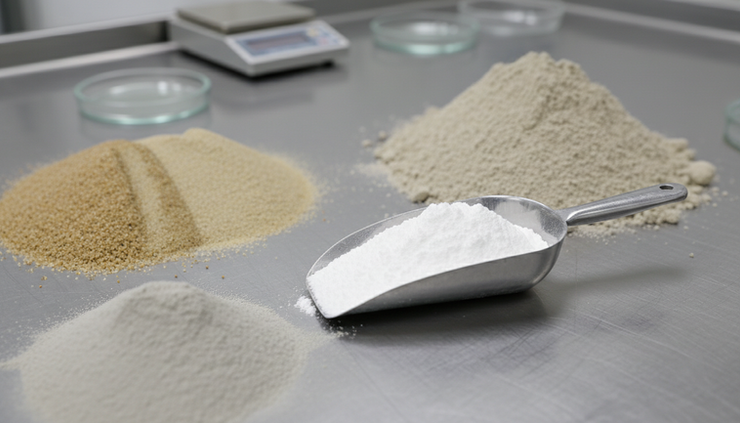
Redispersible polymer powder is a free-flowing polymer powder used in dry-mix construction materials. It is produced as a dry powder so it can be blended with cement, fillers, sand and other additives during manufacturing. When the dry mortar is mixed with water on site, the powder redisperses into polymer particles within the wet mortar.
As the mortar cures and dries, those polymer particles form a film within the cementitious matrix. This film helps improve important performance properties such as:
Adhesion to mineral and absorbent substrates
Flexibility and crack resistance
Workability and trowel feel
Water retention and open time
Abrasion resistance and durability
Cohesion in thin-layer applications
In simple terms, cement gives the mortar strength, while RDP helps the mortar stick, flex and remain workable. That balance matters in modern construction because many applications use thin layers, demanding substrates and faster installation schedules.
A basic cement and sand mix may perform adequately for some traditional work. By contrast, modern tile adhesives, façade mortars, gypsum-modified products, skim coats and repair mortars often need polymer modification to meet application and performance expectations.
How RDP works in cement mortar
RDP for cement mortar works through a physical and chemical interaction with the cementitious system. It does not replace cement. It modifies the mortar structure.
When water is added to the dry mix, the RDP particles disperse through the mortar. During curing, water hydrates the cement and gradually leaves the system. The dispersed polymer particles then move closer together and form a continuous or semi-continuous polymer film.
This film can bridge small pores and micro-cracks. It also improves the bond between the cement paste, aggregates and substrate. The result is a mortar that can better tolerate movement, shrinkage and thermal stress than a non-polymer-modified mix.
The effect is especially useful where the mortar is applied in thin layers. Thin layers lose water quickly, particularly on warm days or absorbent substrates. RDP works with other additives, such as cellulose ethers, to support water retention, consistency and application time.
For South African conditions, this can be relevant on sites exposed to heat, wind and variable substrate quality. A mortar that dries too quickly may lose strength, adhesion or surface quality. Polymer modification gives formulators another tool to improve reliability.
Main benefits of RDP powder for mortar
The value of construction RDP powder sits in a set of performance benefits rather than one single feature. The final result depends on the full formulation, but RDP is commonly used for the following reasons.
Better adhesion to substrates
Adhesion is one of the main reasons manufacturers use redispersible polymer powder for mortar. RDP can improve bond strength between the mortar and substrates such as concrete, cement screeds, renders, masonry and compatible boards.
This is critical for tile adhesives, skim coats, repair mortars and base coats. Poor bond can lead to debonding, hollow spots, tile failure, cracking or surface delamination.
Improved flexibility and crack resistance
Cement-based mortars are strong in compression but can be brittle. RDP helps reduce brittleness by adding polymer film formation inside the cured mortar.
That improved flexibility is useful where the mortar may face:
Minor substrate movement
Thermal expansion and contraction
Shrinkage stress
Vibration
Thin-section application stress
RDP does not make cement mortar elastic like rubber. It improves deformability within formulation limits.
Better workability and application feel
Contractors often judge a mortar before it cures. They notice how it mixes, spreads, trowels, hangs and finishes.
A suitable RDP mortar additive can improve cohesion and creaminess. This helps reduce drag during trowelling and supports smoother application. In tile adhesives, it can help the adhesive hold ridges better. In skim coats, it can support a more even finish.
Water retention and open time support
RDP can contribute to water retention and open time, although cellulose ether is usually the main water-retaining additive in many dry mixes.
Good water retention keeps the mortar workable for longer and gives cement more time to hydrate. This matters when applying mortar to porous substrates or in warm, dry or windy conditions.
Increased durability in demanding applications
Polymer-modified mortars often show better resistance to abrasion, water stress and freeze-thaw effects where relevant. In South Africa, durability concerns may include wet areas, exterior exposure, high temperatures and variable site practice.
The right RDP for dry mix mortar can help build a more cohesive and durable cured matrix, especially when paired with good cement quality, suitable aggregates and correct curing.

Common applications for RDP in dry-mix mortar
RDP powder supplier enquiries often come from buyers making several product types. The same additive category may be used across many dry-mix mortars, but each application needs its own formulation target and test programme.
Tile adhesives
RDP for tile adhesive is one of the most common uses. It helps improve adhesion, flexibility, open time and slip resistance when correctly formulated with cement, graded sand, fillers and cellulose ether.
Higher-performance tile adhesives may need more polymer modification than basic cement-based tile adhesives, particularly where large-format tiles, low-absorption tiles or demanding substrates are involved.
Skim coats and wall putties
Skim coats need smooth application, good bond and surface durability. RDP helps improve cohesion, sandability balance and adhesion to cement plaster, concrete and masonry substrates.
In thin coats, water loss can happen quickly. A suitable polymer powder for mortar can support better film formation and reduce the risk of weak, powdery surfaces.
Repair mortars
Repair mortars require bond strength, durability and crack resistance. RDP can help improve adhesion to old concrete or cementitious surfaces, especially when the substrate has been prepared correctly.
It is often used in patching compounds, concrete repair mortars and levelling mortars where thin or feather-edge sections need better integrity.
External insulation and base coat systems
Base coats for insulation boards or façade systems often need good adhesion, flexibility and impact resistance. RDP is commonly included in these systems to support bonding and reduce cracking risk.
Exterior applications must be tested against local exposure conditions, including heat, rain, UV-related system demands and movement.
Waterproofing and sealing mortars
RDP may be used in cementitious waterproofing mortars and sealing products where improved adhesion and flexibility are required. It should be treated as part of the full waterproofing system, not as a standalone waterproofing solution.
Plasters, renders and masonry mortars
RDP can improve workability, cohesion, adhesion and durability in selected plaster, render and masonry formulations. The dosage is usually adjusted based on required performance and cost target.
Typical RDP dosage ranges for mortar mixes
RDP dosage is one of the most common procurement and formulation questions. There is no universal answer because dosage depends on the application, polymer type, cement system, aggregates, other additives and required performance standard.
The table below gives broad indicative starting ranges commonly used in dry-mix formulation work. These are not product specifications. Always confirm final dosage through laboratory trials and site testing.
Application | Indicative RDP dosage by dry mix weight | Main reason for use |
Basic cement tile adhesive | 0.5% to 2.0% | Improved adhesion and workability |
Higher-performance tile adhesive | 2.0% to 5.0% | Stronger bond, open time and flexibility |
Skim coat or wall putty | 1.0% to 3.0% | Adhesion, cohesion and surface quality |
Repair mortar | 2.0% to 6.0% | Bond, durability and crack resistance |
External base coat | 2.0% to 5.0% | Flexibility, impact resistance and adhesion |
Cementitious waterproofing mortar | 2.0% to 6.0% | Adhesion and flexibility support |
General plaster or render | 0.5% to 2.5% | Workability, cohesion and adhesion |
A low RDP dosage may improve handling and basic adhesion, but it may not deliver enough flexibility for demanding applications. A high dosage can raise cost and may affect setting, water demand, strength development or surface behaviour.
The best dosage is the lowest level that meets the required performance target with a safety margin. That target should come from lab tests, field trials and relevant product standards where applicable.
How to choose the right RDP powder
Choosing RDP powder South Africa buyers can rely on is not only a price decision. The wrong polymer grade can make a formulation unstable, inconsistent or underperforming.
Ask these questions before approving a redispersible polymer powder for mortar production.
What application will the mortar serve
Tile adhesive, skim coat, repair mortar and waterproofing mortar do not need the same performance profile. Start with the end use, then choose the polymer.
A tile adhesive may prioritise open time and tensile adhesion. A repair mortar may prioritise bond, durability and crack resistance. A skim coat may prioritise workability, surface finish and adhesion in thin layers.
What substrates will the mortar bond to
Substrate type affects polymer demand. Dense concrete, old plaster, screeds, gypsum-containing surfaces and masonry can all behave differently. Absorbency, surface dust, curing age and contamination also matter.
RDP can improve bond, but it cannot overcome poor surface preparation. Weak, dusty, oily or unstable substrates must be treated before application.
What climate and site conditions apply
South African construction sites can face high temperatures, strong sun, wind, coastal humidity and fast drying. These conditions affect open time, curing and adhesion.
A formulation that performs well in a controlled lab may need adjustment for real site conditions. Water retention, RDP level, aggregate grading and set control all play a part.
What other additives are in the formulation
RDP interacts with the full dry-mix system. Other common ingredients may include:
Cellulose ether
Starch ether
Defoamers
Accelerators or retarders
Superplasticisers
Hydrophobic agents
Fibres
Cement, lime or gypsum binders
Limestone, silica sand or other fillers
Changing one additive can affect water demand, setting, workability, air content and strength. Treat formulation changes as controlled trials, not simple substitutions.
What batch consistency can the supplier support
Procurement teams should look beyond price per kilogram. For production, reliable supply and consistent quality matter. Inconsistent RDP can cause variation in viscosity, adhesion, open time or finished product performance.
For buyers seeking an RDP supplier South Africa can source from, important commercial factors include packaging, lead time, stock availability, documentation, batch traceability and technical support.

Formulation and production considerations
RDP is normally added during dry blending. It must distribute evenly through the powder blend so that each bag performs consistently on site.
Good production practice includes accurate weighing, controlled mixing time and protection from moisture during storage. RDP should be kept dry and sealed because moisture exposure can cause caking or reduced flow.
Mixing order and uniformity
Many dry-mix producers add small-dose additives through a premix stage before blending into the main batch. This can help distribute fine additives more evenly.
Uneven distribution may lead to performance variation between bags or even within the same bag. In high-value products such as tile adhesives or repair mortars, this can lead to claims and site failures.
Water demand and workability
RDP can affect the water demand and consistency of the mortar. A formulation that feels too sticky, too heavy or too loose may need adjustment to polymer level, cellulose ether grade, filler packing or aggregate grading.
The water addition printed on the bag should be based on tested formulation behaviour. Too much site water can weaken the cured mortar, reduce adhesion and increase shrinkage.
Setting time and strength development
Polymer modification can influence set behaviour and early strength. The effect varies by binder system and additive package.
Manufacturers should test:
Initial and final set
Early handling strength
Bond strength after curing
Water immersion performance where relevant
Heat ageing or exterior exposure where relevant
Open time and adjustability for tile adhesives
Shrinkage and cracking tendency
For commercial dry-mix products, small formulation changes should be validated before release.
Packaging and storage
Dry-mix products containing RDP need moisture-resistant packaging and dry storage. Bags should stay off wet floors and away from direct rain exposure.
For raw RDP powder, sealed bags or lined packaging help protect the material. Once opened, the powder should be used promptly or resealed properly.
Quality control tests that matter
A buyer does not need to run every formulation test personally, but professional procurement should understand which tests matter.
For a redispersible polymer powder South Africa supplier relationship, common quality checks may include appearance, moisture condition, flow, redispersibility and consistency between batches. Product-specific tests should be agreed with the supplier.
For the finished mortar, tests should match the application.
Product type | Useful performance checks |
Tile adhesive | Tensile adhesion, open time, slip resistance, adjustability, water immersion where required |
Skim coat | Workability, adhesion, surface hardness, sanding behaviour, cracking tendency |
Repair mortar | Bond strength, compressive strength, shrinkage, abrasion resistance, water resistance |
Base coat | Adhesion, flexibility, impact resistance, crack resistance, wet-dry durability |
Waterproofing mortar | Adhesion, water resistance, flexibility and system compatibility |
Testing should include lab batches and production-scale confirmation. A lab mix can look good, while plant mixing and packaging reveal flow, dusting and uniformity issues.
Common mistakes when using RDP powder
RDP can improve mortar performance, but it is not a fix for every formulation problem. These mistakes cause many avoidable issues.
Treating RDP as a direct one-for-one substitute
Different RDP products can behave differently. Substituting one powder for another without testing may change workability, adhesion, setting, air content or water resistance.
If supply changes, run comparative tests before switching production.
Using dosage as the only performance control
More polymer does not always mean a better mortar. Excessive RDP may increase cost and create side effects. The full formulation must be balanced.
The best approach is to set a performance target, run dosage trials and confirm results under real application conditions.
Ignoring aggregate grading
Fine sand and fillers strongly affect mortar feel, water demand and strength. A poor aggregate curve can make the mix harsh, sticky or weak, even with good additives.
RDP performs best in a well-designed dry-mix system.
Allowing too much water on site
Contractors may add extra water to improve spreadability. That can reduce strength, increase shrinkage and weaken adhesion.
A good formulation should be workable at the recommended water level. Clear bag instructions and contractor training help protect performance.
Skipping substrate preparation
RDP improves adhesion, but it cannot bond well to dust, oil, loose paint, laitance or weak plaster. Proper cleaning, priming where needed and surface preparation remain essential.

Buying RDP powder in South Africa
Commercial buyers usually compare supplier options on price, availability and technical fit. All three matter.
When evaluating an RDP powder supplier, request information that supports both procurement and formulation teams. Useful points include:
Recommended application areas
Compatibility guidance for cement-based systems
Packaging details
Storage guidance
Batch traceability
Availability and lead time
Technical support for formulation trials
Safety and handling documentation
For South African dry-mix manufacturers, local availability can reduce supply risk. Construction projects do not wait for delayed raw materials, and dry-mix production schedules rely on steady additive supply.
Distributors and contractors also benefit from a supplier that understands application needs. A buyer asking for “RDP powder for mortar” may need help matching the additive to tile adhesive, skim coat, repair mortar or another product category.
A practical approach to dosage trials
A structured trial plan saves time and material. Start with a control formulation, then adjust RDP dosage in small steps. Keep the water level and mixing method consistent so results are comparable.
A simple trial sequence may include:
Prepare a control mix without changing other additives.
Test low, medium and high RDP levels within the expected application range.
Record water demand, mixing feel, trowelability and sag or slip.
Cure samples under consistent conditions.
Test adhesion, strength and application-specific behaviour.
Repeat the best options using production-scale mixing.
Confirm performance under realistic site conditions.
Do not rely only on fresh mortar feel. Some mixes apply beautifully but do not meet bond or durability requirements after curing.
Why RDP is worth specifying carefully
RDP is a small percentage of the dry mix, but it can have a large effect on field performance. That makes it commercially important.
For manufacturers, a reliable RDP can reduce complaint risk and help produce higher-value products. For contractors, it supports easier application and more dependable bond. For distributors, it creates a stronger product offering for customers who need performance rather than only the lowest bag price.
The right RDP for dry mix mortar helps connect formulation design with real site performance. It supports adhesion, flexibility, durability, workability and water retention, which are the same performance areas buyers often care about when comparing cement-based products.
If you are sourcing a redispersible polymer additive for cement-based applications, review the product details here: RDP Powder for Mortar Mix from FT Building and Construction Suppliers.
Final takeaway
RDP powder is one of the key additives behind modern dry-mix mortar performance. It helps cement-based products bond better, work more smoothly, resist cracking and perform across demanding applications such as tile adhesives, skim coats, repair mortars, base coats and waterproofing mortars.
The best results come from matching the RDP grade and dosage to the application, then confirming performance through controlled trials. Buyers should look for consistent supply, suitable technical support and a product positioned for cement-based mortar systems.
For South African mortar manufacturers, contractors and professional buyers, choosing the right redispersible polymer powder can improve product reliability and reduce costly site problems.

Comments