
Cheapest Home Building Materials for Budget Projects

Building a home in 2026 doesn't have to drain your entire budget. With strategic material choices and smart sourcing, you can significantly reduce construction costs without compromising structural integrity or aesthetic appeal. Understanding which materials deliver the best value helps contractors, builders, and homeowners make informed decisions that balance affordability with durability. This comprehensive guide explores the cheapest home building materials available today, comparing options across foundations, framing, exteriors, and finishing work to help you maximize every dollar in your construction budget.
Foundation Materials That Save Money
The foundation represents one of the most critical investments in any construction project, but several affordable options exist for budget-conscious builders. Concrete blocks remain among the cheapest home building materials for foundations, offering excellent load-bearing capacity at a fraction of the cost of poured concrete.
Concrete Block Versus Poured Concrete
Standard concrete blocks typically cost 30-40% less than poured concrete foundations while providing comparable strength and durability. These modular units simplify installation and reduce labor expenses, making them particularly attractive for residential projects and smaller commercial buildings.
Key advantages of concrete block foundations:
Lower material costs per square foot
Faster installation with semi-skilled labor
Excellent thermal mass properties
Easy to repair or modify during construction
Widely available through most construction material suppliers
Poured concrete becomes cost-effective only on larger projects where economies of scale offset higher initial expenses. For most residential applications, concrete blocks deliver superior value without sacrificing performance.
Slab-on-Grade Foundations
Slab-on-grade construction eliminates the need for basements or crawl spaces, dramatically reducing foundation costs. This approach works exceptionally well in warmer climates and areas with stable soil conditions, potentially saving builders $10,000 to $20,000 compared to traditional basement foundations.
Affordable Framing Options
Framing accounts for approximately 15-20% of total construction costs, making material selection critical for budget optimization. Several alternatives to traditional dimensional lumber offer substantial savings without compromising structural performance.
Engineered Wood Products
Engineered lumber products like laminated veneer lumber (LVL) and oriented strand board (OSB) frequently cost less than solid wood alternatives while delivering superior consistency and strength. These manufactured materials minimize waste and maximize the utility of wood resources.
Material Type | Cost per Linear Foot | Strength Rating | Dimensional Stability |
Traditional 2x6 | $2.50-$3.50 | Good | Moderate |
LVL Beam | $3.00-$4.00 | Excellent | Superior |
OSB Sheathing | $0.80-$1.20 | Good | Good |
Plywood Sheathing | $1.20-$1.80 | Excellent | Very Good |
Steel Framing Considerations
While steel framing involves higher initial material costs, it offers long-term value through reduced maintenance and superior pest resistance. Steel studs and joists prove particularly economical in commercial applications and multi-story residential projects where galvanized materials provide extended service life.
Steel framing eliminates concerns about warping, twisting, or shrinking that plague wooden structures. The material's consistency simplifies installation and reduces callback expenses associated with structural movement.
Wall and Exterior Cladding
Exterior materials significantly impact both initial construction costs and long-term maintenance expenses. Selecting the cheapest home building materials for exteriors requires balancing upfront savings against durability and weathering characteristics.
Vinyl Siding Value Proposition
Vinyl siding dominates the affordable exterior market, offering excellent weather resistance at $3 to $8 per square foot installed. This synthetic material requires minimal maintenance and resists fading, cracking, and insect damage better than many premium alternatives.
Modern vinyl products successfully replicate the appearance of wood, stone, and other materials while delivering superior performance in harsh weather conditions. The material's lightweight nature also reduces structural load requirements and simplifies installation.
Fiber Cement Board Applications
Fiber cement board provides an excellent middle-ground option for builders seeking enhanced durability without premium price tags. This composite material combines cement, sand, and cellulose fibers to create panels that resist fire, moisture, and impact damage.
Installation costs run slightly higher than vinyl, but fiber cement's 50-year lifespan and minimal maintenance requirements deliver exceptional long-term value. The material accepts paint readily and maintains its appearance far better than wood-based alternatives.
Roofing Materials Cost Analysis
Roofing represents a significant expense category where material selection dramatically affects both immediate costs and replacement intervals. Understanding the true cost of roofing requires calculating total lifecycle expenses rather than focusing solely on installation prices.
Asphalt Shingle Dominance
Asphalt shingles remain the most economical roofing choice for residential construction, with installed costs ranging from $1.50 to $5.50 per square foot. Three-tab shingles occupy the low end of this range, while architectural shingles command premium prices for enhanced aesthetics and durability.
Asphalt shingle advantages:
Lowest initial installation cost
Wide availability in various colors and styles
Straightforward installation reducing labor expenses
Adequate 15-25 year lifespan for most climates
Recyclable at end of service life
The material's widespread use means replacement costs remain predictable and competitive across most markets.
Metal Roofing Economics
Metal roofing systems cost 2-3 times more than asphalt initially but frequently outlast two or three asphalt roof replacements. This makes metal economically competitive over 40-50 year planning horizons, particularly in areas prone to severe weather or wildfire risk.
According to comprehensive analyses of home building materials, metal roofing delivers superior energy efficiency through solar reflectance, potentially offsetting higher initial costs through reduced cooling expenses.
Interior Wall Solutions
Interior finishes offer numerous opportunities for cost reduction without sacrificing functionality or appearance. The cheapest home building materials for interior walls balance installation ease with finishing requirements and long-term durability.
Drywall Installation Economics
Standard gypsum drywall remains the most cost-effective interior wall solution at $1.50 to $3.00 per square foot installed. The material's affordability stems from standardized manufacturing processes, widespread availability, and straightforward installation techniques that minimize skilled labor requirements. For projects requiring reliable delivery and quality assurance, many builders turn to specialized drywall suppliers who can streamline procurement and ensure consistent product specifications.
Drywall cost factors:
Material thickness (1/2-inch versus 5/8-inch)
Moisture-resistant formulations for bathrooms
Fire-rated panels for attached garages
Finishing level requirements (1-5 scale)
Regional labor rate variations
Paneling Alternatives
Wood paneling and other sheet products offer installation speed advantages that offset moderately higher material costs. These systems eliminate taping, mudding, and multiple finishing coats required for traditional drywall, potentially reducing total wall costs by 15-25% in residential applications.
Paneling works particularly well in basement finishing projects where moisture concerns make traditional drywall problematic. The material's resistance to mold and mildew reduces long-term maintenance expenses in below-grade applications.
Flooring Material Value
Flooring selections significantly impact both construction budgets and user experience. The cheapest home building materials for floors vary substantially based on room function, traffic levels, and moisture exposure.
Concrete Floor Finishing
Polished concrete floors deliver exceptional value in modern residential and commercial construction. Raw material costs approach zero since the structural slab serves as the finished floor, requiring only grinding, polishing, and sealing treatments costing $3 to $12 per square foot.
This approach eliminates subfloor installation, adhesives, and additional flooring materials entirely. Polished concrete offers superior durability, easy maintenance, and contemporary aesthetics that appeal to minimalist design preferences.
Laminate Flooring Applications
Laminate flooring provides convincing wood-look aesthetics at $1 to $5 per square foot, representing 40-60% savings compared to hardwood alternatives. Modern laminate products feature improved wear layers that resist scratches, dents, and moisture damage better than earlier generations.
Installation typically requires no adhesives or nails, using click-lock systems that dramatically reduce labor costs. DIY-friendly installation makes laminate particularly attractive for owner-builders and renovation projects where professional flooring installation would consume significant budget allocation.
Insulation Strategies
Proper insulation represents one of the most cost-effective investments in any building project, delivering ongoing energy savings that rapidly offset initial material expenses. Several affordable building materials provide excellent thermal performance without premium pricing.
Fiberglass Batt Insulation
Fiberglass batts remain the cheapest home building materials for wall and ceiling insulation, costing $0.40 to $1.50 per square foot installed. This familiar pink or yellow material delivers R-values of 3.0-3.8 per inch, providing adequate thermal resistance for most climate zones at minimal expense.
Insulation Type | Cost per Sq Ft | R-Value per Inch | Installation Difficulty |
Fiberglass Batts | $0.40-$1.50 | 3.0-3.8 | Easy |
Blown Cellulose | $0.60-$2.30 | 3.2-3.8 | Moderate |
Spray Foam | $1.00-$4.50 | 3.5-6.5 | Professional |
Rigid Foam Board | $0.80-$2.50 | 4.0-6.5 | Easy |
Blown-In Cellulose Options
Recycled cellulose insulation costs slightly more than fiberglass but offers superior air sealing properties that enhance overall thermal performance. This material works exceptionally well in attic applications where irregular joist spacing complicates batt installation.
The material's blown installation fills gaps and voids more completely than batts, reducing thermal bridging and air infiltration. Many builders find the modest 15-20% cost premium justified by measurable energy performance improvements.
Windows and Doors Budget Considerations
Fenestration products significantly impact both construction budgets and long-term energy expenses. Selecting cost-effective windows and doors requires evaluating thermal performance, durability, and aesthetic requirements against available budget allocation.
Vinyl Window Economics
Vinyl-framed windows dominate the budget window market, offering double-pane insulated glass units at $200 to $600 per window installed. These maintenance-free units deliver adequate thermal performance for most residential applications while eliminating painting and weathering concerns associated with wood-framed alternatives.
Modern vinyl windows feature welded corners and multi-chamber frame designs that significantly enhance structural integrity and thermal performance compared to earlier products. Energy Star certification ensures minimum performance standards across various climate zones.
Entry Door Value Options
Steel entry doors provide security and insulation at $150 to $600 per unit, substantially less than wood or fiberglass alternatives offering comparable performance. Foam-core construction delivers R-values of 5-6, adequate for most residential applications without premium pricing.
Fiberglass doors command 25-40% premiums over steel but replicate wood grain textures more convincingly. For projects emphasizing curb appeal, this moderate upgrade delivers disproportionate aesthetic impact relative to cost increase.
Sustainable and Recycled Materials
Environmental consciousness and budget constraints frequently align when builders consider recycled and reclaimed materials. Several options among the cheapest home building materials also deliver superior sustainability credentials.
Reclaimed Wood Applications
Salvaged lumber from demolition projects, old barns, and industrial facilities offers unique character at competitive prices. While premium architectural reclaimed wood commands luxury pricing, standard reclaimed framing lumber often costs less than new dimensional lumber while providing superior density and stability.
Reclaimed materials require additional sorting and preparation time but reward builders with distinctive aesthetics impossible to replicate with new products. The approach particularly suits accent walls, ceiling treatments, and custom millwork where material character outweighs dimensional precision.
Recycled Steel Benefits
According to sustainable building material analyses, recycled steel contains 90-95% post-consumer content while costing less than virgin steel products. This recycled content reduces embodied energy without compromising structural performance or longevity.
Steel's infinite recyclability means today's construction materials become tomorrow's feedstock without quality degradation. This closed-loop lifecycle delivers environmental benefits that increasingly influence building code incentives and green building certifications.
Regional Price Variations
Material costs fluctuate substantially based on geographic location, local availability, and transportation expenses. Understanding regional pricing patterns helps builders optimize material selections for specific project locations.
Transportation Cost Impacts
Bulky, heavy materials like concrete, masonry, and dimensional lumber incur significant transportation expenses that create regional price variations. Materials sourced locally typically cost 15-30% less than identical products shipped long distances, making regional material preferences economically rational.
Builders in heavily forested regions access lumber at lower costs than desert markets where wood remains scarce. Conversely, concrete products prove more economical in areas with local cement manufacturing and aggregate sources. Comprehensive cost guides for low-cost building materials reveal these geographic pricing patterns across major markets.
Seasonal Purchasing Strategies
Material prices fluctuate seasonally based on construction activity levels and weather patterns. Purchasing core materials during winter months when construction activity slows can yield 10-20% discounts as suppliers reduce inventory and compete for limited demand.
Forward-thinking builders lock in pricing through off-season purchases, warehousing materials for spring construction starts. This strategy requires capital availability and secure storage but delivers measurable cost savings on major material categories.
Labor Cost Considerations
Material expenses represent only one component of total construction costs. The cheapest home building materials often require specialized installation skills that offset material savings through elevated labor expenses.
Installation Complexity Tradeoffs
Simple, standardized materials like concrete blocks, dimensional lumber, and vinyl siding minimize skilled labor requirements, making them ideal for budget-conscious projects with limited contractor budgets. More sophisticated materials requiring specialized installation techniques frequently cost less in material form but command premium labor rates.
Labor-friendly material characteristics:
Standardized dimensions enabling repetitive installation
Lightweight components manageable by small crews
Forgiving installation tolerances
Minimal specialized tools or equipment requirements
Straightforward joining and fastening methods
DIY-Friendly Options
Owner-builders achieve substantial savings through sweat equity, but material selection dramatically affects amateur installation success. Laminate flooring, vinyl siding, and basic framing prove accessible to motivated DIYers, while masonry, roofing, and complex finish work typically justify professional contractors despite higher labor costs.
Resources like guides to affordable construction methods emphasize material selections that empower owner participation while maintaining quality standards and building code compliance.
Bulk Purchasing Advantages
Volume purchasing delivers significant discounts across most material categories. Builders managing multiple projects simultaneously or collaborating with other contractors access pricing tiers unavailable to single-project buyers.
Supplier Relationships
Establishing relationships with reliable suppliers yields benefits beyond simple price discounts. Preferred customers receive priority access during material shortages, flexible payment terms, and technical support that prevents costly installation errors.
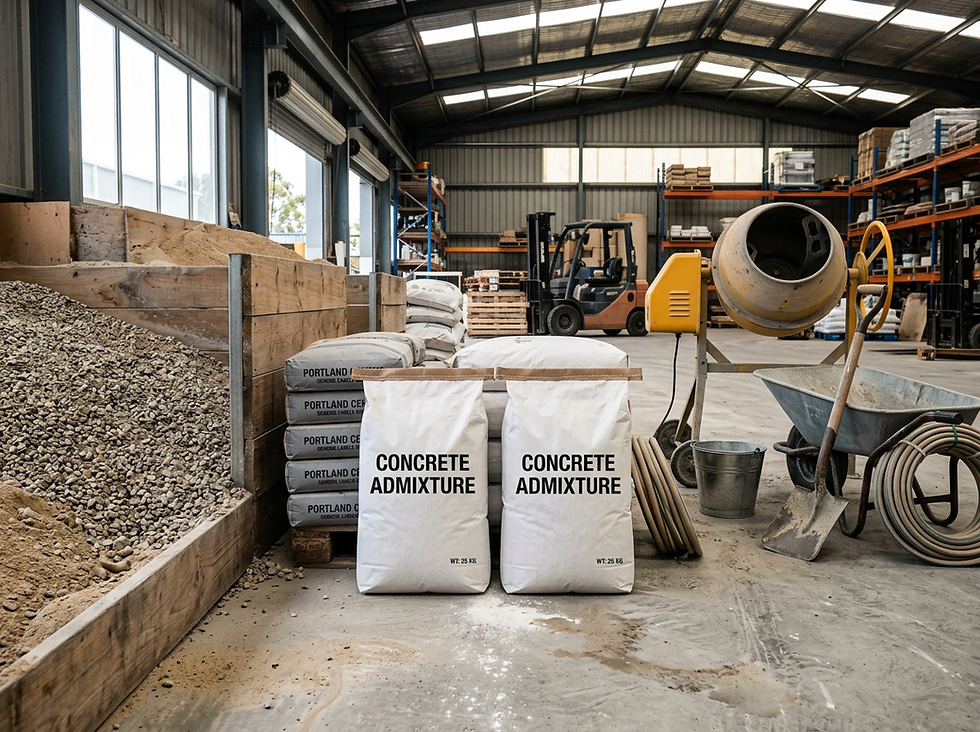
Quality suppliers provide consistent material specifications that eliminate job site surprises and rework expenses. For essential materials like cement products, supplier reliability directly impacts project timelines and budget adherence.
Material Package Pricing
Many suppliers offer package pricing for complete building material sets, bundling framing lumber, sheathing, windows, doors, and roofing materials at discounts of 5-15% compared to individual component purchases. These packages simplify procurement while guaranteeing material compatibility and availability.
Package deals work best for standardized plan designs where material quantities and specifications remain consistent across multiple units. Custom homes with unique specifications benefit less from package pricing but still gain coordination efficiencies.
Quality Versus Cost Balance
The cheapest home building materials don't always deliver the best long-term value. Builders must evaluate lifecycle costs, maintenance requirements, and replacement intervals when comparing material alternatives.
Lifecycle Cost Analysis
Materials with higher initial costs frequently deliver superior value through extended service lives and reduced maintenance expenses. Metal roofing costs double what asphalt shingles cost initially but lasts 3-4 times longer, making it economically competitive over 50-year analysis periods.
Calculating true material costs requires considering:
Initial purchase and installation expenses
Expected service life before replacement
Maintenance requirements and costs
Energy performance impacts
Salvage or disposal costs
Performance Standards
Building codes establish minimum performance standards for structural, fire, and energy characteristics. The cheapest compliant materials meeting these minimums often prove more economical than premium products offering performance exceeding code requirements.
However, voluntary standards like Energy Star certification and green building rating systems increasingly influence material selection through utility incentives, tax credits, and market preferences. According to construction cost planning guides, energy-efficient upgrades frequently deliver payback periods under five years through reduced operating costs.
Material Substitution Strategies
Creative builders identify opportunities to substitute expensive materials with affordable alternatives delivering comparable functionality and aesthetics. These substitutions require technical knowledge and building inspector approval but unlock significant savings.
Appearance Versus Structure
Separating structural requirements from aesthetic preferences enables cost-effective material substitutions. Structural elements hidden from view can utilize the cheapest compliant materials regardless of appearance, while visible surfaces receive modest aesthetic upgrades within budget constraints.
Concrete block walls can accept various finish treatments from stucco to stone veneer, allowing builders to optimize structural costs while maintaining desired aesthetics. Similarly, basic framing lumber serves adequately for most applications regardless of whether finished surfaces use premium or budget materials.
Phased Construction Approaches
Budget limitations sometimes necessitate phased construction where builders complete essential structural work with basic materials, planning future upgrades as funds become available. This approach requires careful initial planning to ensure compatibility between current installations and planned improvements.
Adequate electrical service, plumbing rough-ins, and structural support for future additions cost little extra during initial construction but prove expensive to retrofit later. Comprehensive cost breakdowns for construction materials help builders identify which systems justify upfront investment versus deferred completion.
Emerging Material Technologies
Innovation continually introduces new materials offering improved performance, sustainability, or cost advantages. Staying informed about emerging options helps builders identify opportunities for cost reduction and performance enhancement.
Prefabricated Components
Factory-built wall panels, roof trusses, and modular assemblies reduce job site labor while improving quality control. Although component costs sometimes exceed site-built equivalents, total installed costs typically favor prefabrication through reduced labor expenses and accelerated construction timelines.
Prefabrication particularly benefits projects in high-cost labor markets where site work expenses dominate total construction budgets. The controlled factory environment also enables precise material optimization that minimizes waste.
Alternative Concrete Formulations
Developments in concrete chemistry introduce supplementary cementitious materials like fly ash and slag that reduce costs while improving certain performance characteristics. These formulations prove particularly attractive for large-volume applications like foundations and structural slabs.
Material research continues producing innovations that enhance affordability without compromising performance. Resources like regional building cost analyses track how new materials and methods affect local construction economics.
Waste Reduction Techniques
Material waste represents pure cost with no corresponding value creation. Minimizing waste through careful planning, accurate ordering, and efficient installation practices significantly reduces total material expenses without compromising project quality.
Accurate Material Estimation
Precise quantity calculations prevent over-ordering that leads to waste and capital tied up in unused materials. Modern estimation software accounts for standard dimensions, cutting patterns, and installation waste factors to optimize order quantities.
Under-ordering creates equally problematic scenarios through project delays, rush delivery charges, and material inconsistencies when reordering. Professional estimating services justify their fees through improved accuracy and reduced total material costs.
Material Reuse and Recycling
Salvaging usable materials from demolition work, packaging, and installation waste recovers value otherwise lost to disposal expenses. Dimensional lumber cutoffs become blocking and backing, while masonry pieces fill landscape applications.
Organized job sites facilitate material reuse by maintaining separate staging areas for reusable components, recyclable materials, and true waste. This organization minimizes disposal costs while supporting sustainability objectives.
Strategic material selection transforms construction budgets by identifying the cheapest home building materials that deliver essential performance without unnecessary premium features. By understanding cost drivers, regional variations, and lifecycle economics, builders optimize every dollar invested in construction projects. Whether you need reliable suppliers for essential construction supplies or specialized materials for your next project, FT Building and Construction Suppliers provides the quality products and expert guidance to help you build successfully within budget.

Comments