
Finding Quality Resource Building Materials Near You

Finding reliable resource building materials near me has become essential for contractors, builders, and construction professionals who need to balance quality, cost-efficiency, and timely delivery. The construction industry in 2026 demands more than just basic materials-it requires strategic partnerships with suppliers who understand project timelines, regulatory requirements, and the specialized needs of modern construction. Whether you're managing a large commercial development or handling residential renovations, knowing how to identify and leverage local building material resources can significantly impact project success and profitability.
Understanding the Resource Building Materials Landscape
The construction supply industry has evolved dramatically over the past few years, with digital transformation reshaping how professionals source materials. When searching for resource building materials near me, you're not just looking for a store-you're seeking a supply partner that can deliver consistent quality, competitive pricing, and reliable logistics support.
Today's construction projects demand diverse material categories, from structural components like cement and steel reinforcement to finishing materials such as drywall, tiles, and specialty products. The complexity of modern builds requires suppliers who maintain comprehensive inventories and can provide technical guidance on material selection.
Key Material Categories for Construction Projects
Professional builders need access to multiple material types simultaneously. Understanding these categories helps streamline your search for resource building materials near me:
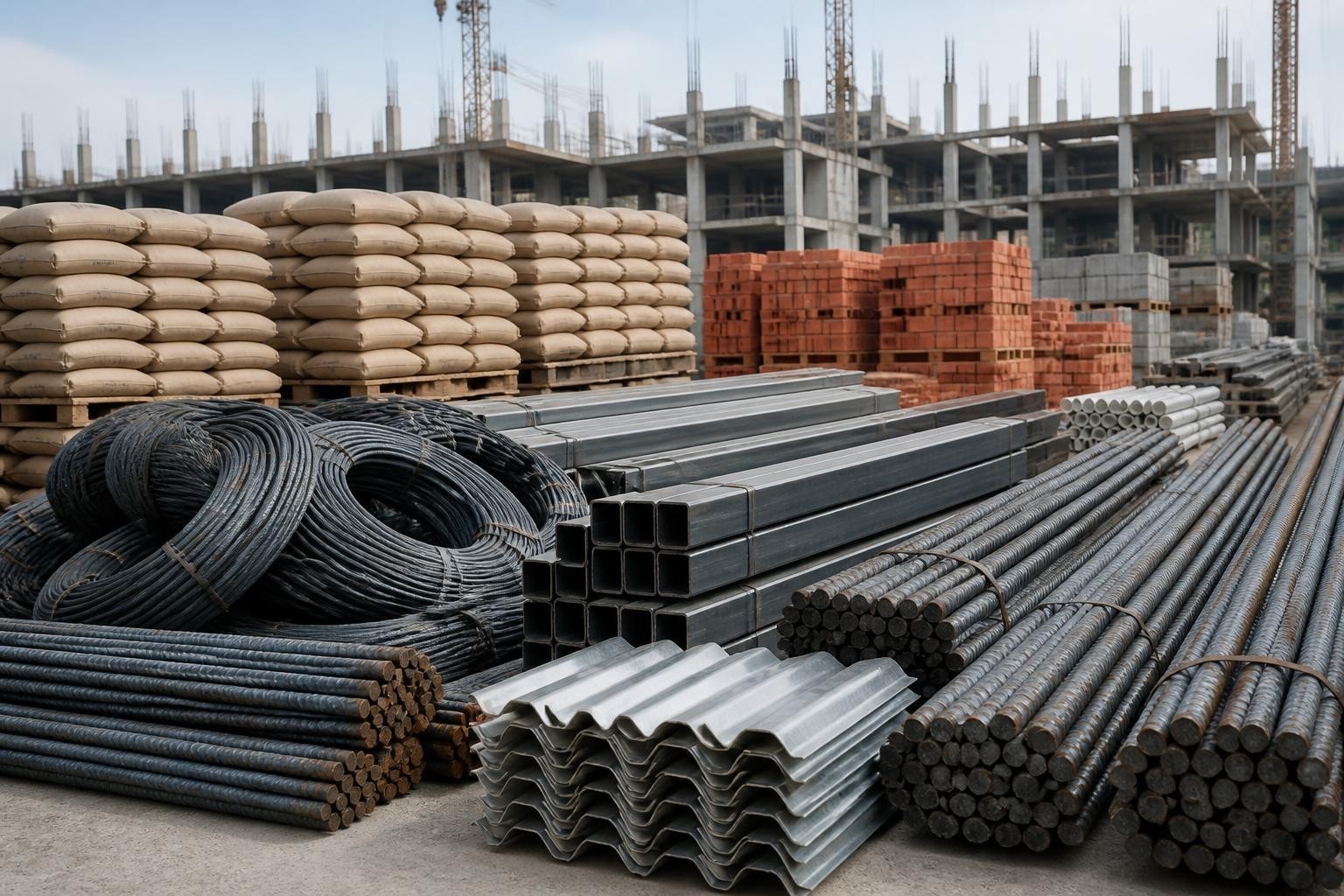
Structural Materials: Cement, concrete, steel rebar, and foundational components
Framing and Support: Lumber, treated timber, steel sections, and poles
Exterior Systems: Roofing materials, waterproofing membranes, and cladding
Interior Finishes: Drywall, ceiling boards, tiles, and decorative elements
Hardware and Fasteners: Nails, wire, binding materials, and connection systems
Specialty Products: Insulation, acoustical panels, and energy-efficient solutions
Modern construction projects require materials that meet stringent building codes and environmental standards. When evaluating local suppliers, verify their products carry appropriate certifications and comply with current regulations.
Evaluating Local Building Material Suppliers
Not all suppliers offering resource building materials near me provide equal value. A thorough vetting process ensures you partner with suppliers who can support your projects long-term rather than simply making one-off purchases.
Critical Supplier Assessment Criteria
Evaluation Factor | What to Verify | Impact on Projects |
Product Range | Breadth and depth of inventory | Reduces need for multiple suppliers |
Quality Standards | Certifications, testing, consistency | Ensures code compliance and durability |
Pricing Structure | Bulk discounts, payment terms | Affects project budgets and cash flow |
Delivery Capabilities | Fleet size, scheduling flexibility | Impacts project timelines |
Technical Support | Product knowledge, application guidance | Reduces material selection errors |
When you search for resource building materials near me, prioritize suppliers who demonstrate expertise in your specific construction sector. A supplier specializing in commercial projects may offer different advantages than one focused on residential work.
Building Strategic Supplier Relationships
The most successful contractors develop partnerships rather than transactional relationships with their material suppliers. This approach yields benefits beyond simple purchasing:
Preferential Pricing: Regular customers often receive better rates and first access to promotional pricing. Establishing yourself as a consistent buyer can significantly reduce material costs across multiple projects.
Priority Scheduling: When demand spikes or supply tightens, suppliers prioritize deliveries for established partners. This ensures your projects don't experience costly delays due to material shortages.
Technical Consultation: Experienced suppliers like FT Building and Construction Suppliers provide valuable insights on material selection, helping you choose optimal products for specific applications and avoiding costly specification errors.
Optimizing Your Material Sourcing Strategy
Successful project management requires a systematic approach to sourcing resource building materials near me. Rather than searching for materials reactively as needs arise, develop a proactive sourcing strategy that anticipates requirements and builds efficiency into your procurement process.
Creating a Preferred Supplier Network
Establish relationships with suppliers across different material categories before projects begin. This network becomes your resource foundation:
Identify primary suppliers for high-volume materials like cement, steel, and lumber
Establish backup sources to mitigate supply chain disruptions
Locate specialty suppliers for unique materials or finishing products
Develop import connections for materials not readily available locally
Build relationships with logistics providers for oversized or specialty deliveries
For projects requiring structural reinforcement, having a reliable source for Steel Rebar Bar 6mm 16mm Construction Iron Rods ensures you can maintain construction schedules without delays. Quality rebar suppliers provide consistent sizing, proper certification, and delivery flexibility that keeps foundation work on track.
Digital Tools for Material Management
Modern contractors leverage technology to streamline their search for resource building materials near me and manage inventory more effectively:
Supplier databases and catalogs for quick specification lookup
Pricing comparison platforms to ensure competitive rates
Inventory management systems that track material usage and trigger reorders
Project management software integrating material scheduling with construction timelines
Mobile apps enabling on-site material verification and ordering
These tools reduce the time spent sourcing materials and minimize errors in ordering and specification. Integration between systems creates a seamless workflow from project planning through material delivery and installation.
Quality Verification and Material Testing
When sourcing resource building materials near me, quality assurance cannot be overlooked. Substandard materials compromise structural integrity, increase long-term maintenance costs, and potentially create liability issues.
Essential Quality Checks
Implement verification procedures before accepting material deliveries:
Visual Inspection: Check for damage, corrosion, or deterioration that may have occurred during storage or transport. Reject materials showing signs of water damage, physical impact, or improper handling.
Documentation Review: Verify certifications, test reports, and compliance documents accompany each delivery. These records prove materials meet specified standards and building codes.
Dimensional Accuracy: Confirm materials match ordered specifications for size, thickness, and grade. Even minor variations can cause installation problems and project delays.
Sample Testing: For critical applications, conduct independent testing on material samples to verify claimed properties and performance characteristics.
Understanding Material Certifications
Different construction materials require specific certifications and standards compliance. When evaluating resource building materials near me, ensure suppliers provide proper documentation:
Material Type | Key Certifications | Verification Requirements |
Cement Products | ASTM C150, EN 197-1 | Compressive strength tests, chemical analysis |
Steel Products | ASTM A615, BS 4449 | Tensile strength, yield point, elongation tests |
Timber Products | Pressure treatment certification, grading stamps | Moisture content, preservative retention |
Roofing Materials | Fire rating, wind resistance certification | Impact resistance, weathering tests |
Electrical Products | UL listing, CSA approval | Safety testing, performance verification |
Reputable suppliers maintain comprehensive testing records and willingly share certification documents. Hesitation to provide these materials should raise concerns about product authenticity and quality.
Logistics and Delivery Considerations
Even the highest-quality resource building materials near me lose value if delivery logistics fail. Transportation challenges, scheduling conflicts, and storage limitations can create significant project disruptions.
Coordinating Material Deliveries
Effective delivery management requires careful coordination between suppliers, contractors, and site logistics:
Delivery Scheduling: Align material arrivals with construction sequencing to minimize on-site storage requirements. Just-in-time delivery reduces exposure to weather damage and theft while keeping work areas clear.
Site Access Planning: Ensure delivery vehicles can access unloading areas safely. Communicate site restrictions, ground conditions, and overhead clearances to suppliers in advance.
Unloading Equipment: Verify appropriate equipment is available when materials arrive. Heavy or bulky items may require cranes, forklifts, or specialized handling equipment.
Storage Preparation: Designate protected storage areas for moisture-sensitive materials. Proper stacking and covering prevents damage before installation.
Managing Material Quantities
Accurate quantity estimation prevents costly shortages or excessive waste. When ordering resource building materials near me, consider these factors:
Calculate base quantities from project plans and specifications
Add appropriate waste factors for cutting, breakage, and mistakes
Include extra material for future repairs or modifications
Account for material variations and inconsistencies
Consider ordering efficiency (full pallets, truck loads, minimum quantities)
Experienced suppliers can provide guidance on realistic waste factors for different materials and installation methods. Their expertise helps optimize order quantities while maintaining sufficient buffer stock.
Cost Management and Budget Optimization
Finding resource building materials near me involves balancing quality requirements against budget constraints. Strategic purchasing can significantly reduce material costs without compromising project standards.
Price Comparison Strategies
Develop systematic approaches to price evaluation:
Base price analysis: Compare unit costs across multiple suppliers for identical specifications
Bulk pricing tiers: Understand volume discount thresholds and consolidate orders when possible
Payment term value: Calculate the true cost impact of different payment options
Delivery inclusion: Determine whether quoted prices include transportation or require additional fees
Long-term agreements: Negotiate pricing contracts for ongoing projects with predictable material needs
Beyond initial purchase price, consider total cost of ownership. Cheaper materials requiring more frequent replacement or additional labor for installation may ultimately cost more than premium products.
Leveraging Supplier Relationships for Cost Savings
Strong partnerships with suppliers offering resource building materials near me create opportunities for cost reduction:
Volume Commitments: Guarantee minimum purchase volumes across multiple projects in exchange for preferred pricing. Suppliers value predictable demand and reward loyalty with better rates.
Payment Flexibility: Establish credit terms or early payment discounts that align with your cash flow patterns. Some suppliers offer significant discounts for prompt payment.
Collaborative Planning: Share upcoming project schedules with suppliers so they can optimize their inventory and logistics. This advance notice often results in better pricing and priority service.
Specialized Materials and Custom Solutions
Standard resource building materials near me cover most construction needs, but unique projects often require specialized products or custom solutions. Understanding how to source these items efficiently prevents project delays.
Working with Specialty Suppliers
Certain materials demand suppliers with specific expertise and capabilities. Industrial projects may require products like petroleum coke for specialized applications, while infrastructure work needs materials such as treated utility poles or high-performance waterproofing systems.
When projects specify unique materials, expand your search beyond general building supply yards. Industry-specific suppliers often provide better selection, technical support, and competitive pricing for specialized products.
Custom Fabrication and Special Orders
Some projects require materials modified to precise specifications. When standard products won't suffice:
Provide detailed specifications including dimensions, materials, finishes, and performance requirements
Request samples or prototypes before committing to full production runs
Establish clear timelines accounting for manufacturing lead times
Verify fabricator certifications and quality control processes
Include inspection points throughout the manufacturing process
Custom materials typically involve longer lead times and higher minimum order quantities. Factor these constraints into project planning and procurement schedules.
Sustainability and Environmental Considerations
Modern construction increasingly emphasizes environmental responsibility. When searching for resource building materials near me, consider sustainability factors alongside traditional quality and cost criteria.
Evaluating Environmental Impact
Responsible material selection considers multiple environmental dimensions:
Embodied Energy: Choose materials requiring less energy for extraction, processing, and transportation. Local sourcing reduces transportation energy while supporting regional economies.
Recycled Content: Many construction materials now incorporate recycled components without compromising performance. Steel, aggregate, and certain plastics commonly include significant recycled content.
End-of-Life Management: Select materials that can be recycled or repurposed after building demolition. This circular approach reduces landfill waste and resource consumption.
Certifications and Standards: Look for environmental certifications such as LEED-approved materials, FSC-certified timber, or products meeting Energy Star requirements.
Balancing Sustainability with Performance
Environmental benefits should complement rather than compromise material performance. The most sustainable choice remains durable materials that don't require frequent replacement, even if initial environmental metrics seem less favorable.
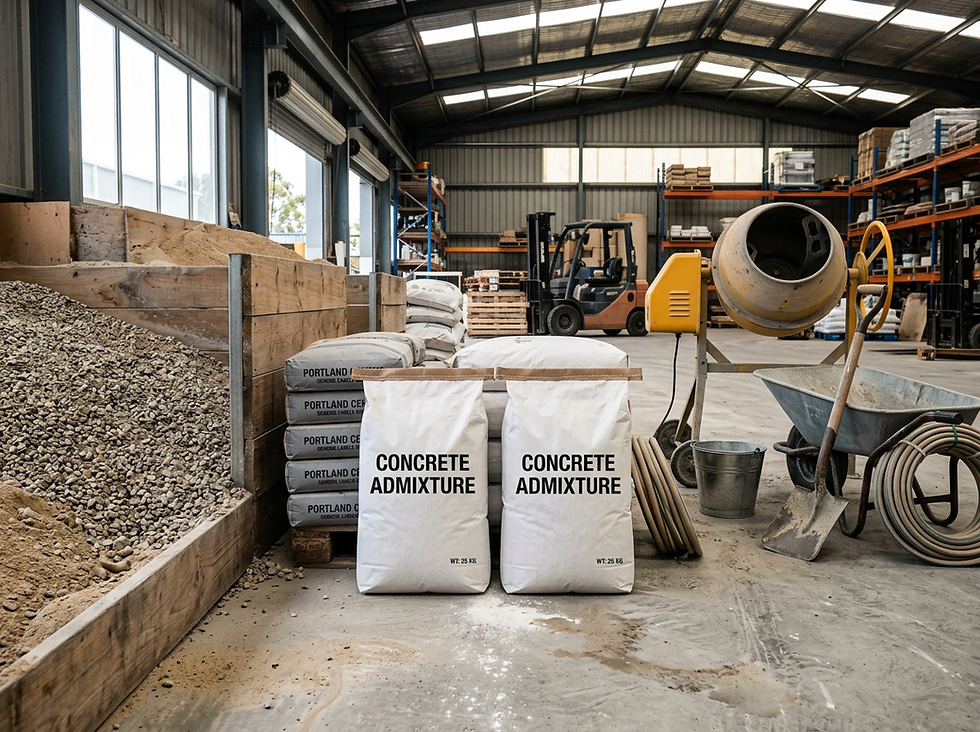
Materials such as high-quality cement products from reliable suppliers ensure structural longevity that reduces long-term environmental impact through extended service life and reduced maintenance requirements.
Regional Considerations and Local Market Dynamics
The availability and pricing of resource building materials near me varies significantly by region. Understanding local market conditions helps optimize sourcing strategies and identify opportunities.
Geographic Factors Affecting Material Availability
Different regions face unique supply challenges:
Coastal areas: Better access to imported materials but may face hurricane or flooding risks
Inland regions: Rely more heavily on domestic production with potential transportation costs
Urban centers: Higher material costs offset by better supplier density and competition
Rural locations: Limited local inventory requiring longer lead times for specialized items
Climate zones: Regional building codes drive demand for specific material types
When projects span multiple regions, develop location-specific sourcing strategies rather than applying uniform approaches across all sites.
Seasonal Variations in Supply and Pricing
Construction material markets experience seasonal fluctuations affecting both availability and cost:
Season | Market Characteristics | Strategic Responses |
Spring | High demand, rising prices, potential shortages | Order early, secure commitments, consider pre-buying |
Summer | Peak construction season, tight supply chains | Maintain buffer stock, monitor delivery schedules closely |
Fall | Moderating demand, stable pricing | Negotiate annual contracts, lock in pricing for winter projects |
Winter | Reduced demand, promotional pricing | Stock up on non-perishable materials, plan spring projects |
Understanding these patterns enables strategic purchasing that capitalizes on favorable market conditions while avoiding periods of scarcity and premium pricing.
Building a Resilient Supply Chain
Recent global events have highlighted supply chain vulnerability in the construction industry. Developing resilient systems for sourcing resource building materials near me protects projects from disruption.
Diversification Strategies
Reduce dependency on single suppliers or supply chains:
Multiple Supplier Relationships: Maintain active accounts with several suppliers for critical materials
Alternative Material Options: Identify substitute products that meet specifications if primary choices become unavailable
Inventory Buffers: Stock essential materials to bridge short-term supply interruptions
Geographic Diversification: Source from suppliers in different regions to avoid localized disruptions
Import Alternatives: Establish relationships with international suppliers for products with limited domestic availability
Diversification creates flexibility but requires careful management to maintain relationships across multiple suppliers and avoid excessive complexity.
Risk Management in Material Procurement
Implement proactive measures to identify and mitigate supply risks:
Market Monitoring: Track industry trends, commodity prices, and supply chain developments that could affect material availability. Trade publications, supplier newsletters, and industry associations provide valuable intelligence.
Supplier Financial Health: Evaluate the financial stability of key suppliers. A supplier's bankruptcy or operational difficulties can disrupt projects even if materials remain theoretically available.
Contract Protections: Include force majeure clauses, price escalation limits, and substitution provisions in supply agreements. These terms provide flexibility when unexpected circumstances arise.
Communication Protocols: Establish regular check-ins with suppliers to identify potential issues before they impact projects. Early warning enables proactive problem-solving rather than reactive crisis management.
Technology Integration in Material Sourcing
Digital transformation continues reshaping how contractors find and purchase resource building materials near me. Embracing technology creates competitive advantages through improved efficiency and better decision-making.
Digital Procurement Platforms
Online platforms streamline the entire material sourcing process:
Browse comprehensive product catalogs with detailed specifications and pricing
Compare options across multiple suppliers simultaneously
Place orders electronically with automated confirmation and tracking
Access real-time inventory levels to verify availability before ordering
Review order history and reorder frequently used materials with single clicks
These systems reduce administrative burden while improving accuracy and creating detailed procurement records for project documentation and cost tracking.
Data-Driven Material Management
Advanced analytics transform material management from reactive to predictive:
Historical Analysis: Review past projects to identify typical material consumption patterns and optimize future estimates. This data reveals opportunities to reduce waste and improve ordering accuracy.
Predictive Modeling: Forecast material needs based on project schedules, weather forecasts, and labor availability. Anticipating requirements enables better supplier coordination and reduced rush orders.
Cost Tracking: Monitor material costs across projects to identify trends and benchmark supplier pricing. This visibility supports negotiations and highlights opportunities to switch suppliers for better value.
Quality Metrics: Track material defect rates, delivery reliability, and supplier responsiveness. Quantitative performance data enables objective supplier evaluation and continuous improvement.
Maximizing Value from Local Building Supply Partnerships
The relationship between contractors and suppliers offering resource building materials near me should create mutual value. Strategic partnerships generate benefits extending well beyond simple purchasing transactions.
Value-Added Services from Quality Suppliers
Leading suppliers differentiate themselves through comprehensive service offerings:
Technical Training: Product application workshops, installation best practices, and troubleshooting guidance help crews work more efficiently and reduce material waste.
Project Consultation: Experienced suppliers provide valuable input during project planning, suggesting material alternatives that improve performance or reduce costs.
Flexible Scheduling: Accommodating special delivery requirements, extended hours, or emergency orders demonstrates commitment to customer success.
Warranty Support: Assisting with warranty claims, product returns, or quality issues removes friction from the procurement process.
Market Intelligence: Sharing insights on pricing trends, product innovations, and regulatory changes helps contractors stay competitive and compliant.
Creating Win-Win Supplier Relationships
Successful partnerships require reciprocal commitment. Contractors can strengthen supplier relationships by:
Providing accurate forecasts and reasonable lead times for orders
Communicating clearly about specifications, delivery requirements, and schedule changes
Paying invoices according to agreed terms
Offering feedback on product performance and service quality
Recommending reliable suppliers to colleagues and industry contacts
Suppliers invest more heavily in customers who demonstrate professionalism, reliability, and growth potential. Cultivating these relationships creates competitive advantages through better service, pricing, and priority during high-demand periods.
Successfully sourcing resource building materials near me requires strategic thinking, strong supplier relationships, and systematic procurement processes that balance quality, cost, and reliability. Modern construction demands more than simply finding products-it requires developing partnerships with suppliers who understand your project requirements and can provide consistent support throughout the building process. Whether you need structural steel, specialty cement products, or comprehensive material solutions, FT Building and Construction Suppliers offers the product range, technical expertise, and customer service that construction professionals depend on to complete projects on time and within budget.

Comments