
Structural Materials: Essential Building Blocks

Structural materials form the backbone of every building, bridge, and infrastructure project worldwide. These materials must withstand tremendous loads, resist environmental degradation, and maintain integrity over decades of service. From towering skyscrapers to residential homes, the selection of appropriate structural materials determines not only the safety and longevity of a structure but also its cost-effectiveness and environmental impact. Understanding the properties, applications, and selection criteria for these essential components enables construction professionals to make informed decisions that balance performance requirements with project constraints.
Understanding Structural Materials and Their Critical Role
Structural materials are specifically engineered substances designed to support loads and resist forces in construction applications. Unlike decorative or finishing materials, these fundamental components bear the weight of buildings, transfer forces to foundations, and provide stability against wind, seismic activity, and other environmental stresses.
The National Institute of Standards and Technology's Materials and Structural Systems Division conducts extensive research to enhance the safety and sustainability of building materials. Their work underscores the critical importance of material selection in modern construction practices.
Primary Categories of Structural Materials
Different construction projects require different material properties. The main categories include:
Metals: Steel, aluminum, and various alloys offering high strength-to-weight ratios
Concrete and Cementitious Products: Versatile materials providing compressive strength and durability
Wood and Timber: Renewable resources with excellent tensile properties
Composite Materials: Advanced engineered products combining multiple substances
Masonry: Traditional materials including brick, stone, and concrete blocks
Each category serves specific purposes based on loading conditions, environmental exposure, and design requirements. The selection process involves evaluating mechanical properties, durability characteristics, and economic considerations.
Steel: The Workhorse of Modern Construction
Steel remains one of the most widely used structural materials due to its exceptional strength, ductility, and versatility. This material excels in applications requiring high tensile strength and the ability to span long distances without intermediate support.
Research on the physical properties of structural steels provides essential data for engineers designing safe and efficient structures. Understanding these properties ensures proper material specification and application.
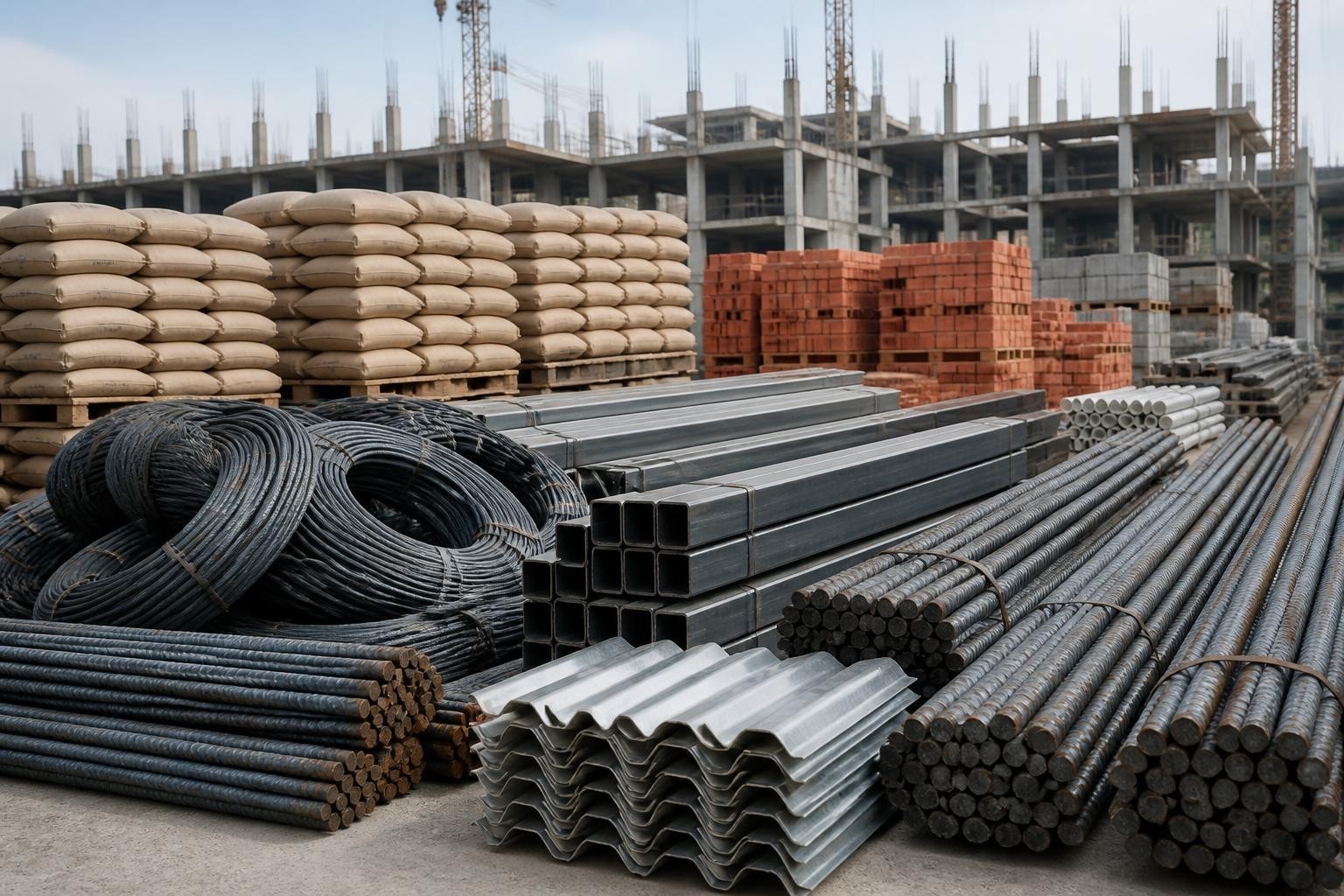
Types of Structural Steel Products
Modern construction utilizes various steel configurations:
Steel Product | Primary Application | Key Advantage |
Wide-Flange Beams | Columns and horizontal supports | High load capacity |
Reinforcing Bars | Concrete reinforcement | Tensile strength enhancement |
Steel Plates | Floor decking and shear walls | Versatile forming options |
Hollow Sections | Trusses and frames | Excellent strength-to-weight ratio |
Steel reinforcement plays a crucial role in concrete construction. The Concrete Reinforcing Steel Institute provides authoritative technical publications and standards that guide proper reinforcement practices. For projects requiring high-quality reinforcement, products like Steel Rebar Bar 6mm 16mm Construction Iron Rods deliver the strength and durability needed for long-lasting concrete structures.
Advantages and Considerations
Steel structural materials offer numerous benefits including predictable behavior under load, recyclability, and rapid construction timelines. However, designers must account for corrosion protection, fire resistance requirements, and thermal expansion characteristics.
Protective coatings and galvanization extend service life in corrosive environments. Regular inspection and maintenance programs ensure continued performance throughout the structure's lifespan.
Concrete and Cementitious Structural Materials
Concrete stands as the most consumed structural material globally, valued for its compressive strength, moldability, and cost-effectiveness. This versatile material adapts to countless applications from foundations to decorative architectural elements.
The composition of concrete significantly impacts its structural performance. Quality cement, properly graded aggregates, and controlled water-cement ratios produce durable, high-strength concrete suitable for demanding applications.
Cement Types and Applications
Different cement formulations serve specific construction needs:
Ordinary Portland Cement: General-purpose construction applications
Rapid-Hardening Cement: Projects requiring quick strength development
Sulfate-Resistant Cement: Environments with high sulfate exposure
Low-Heat Cement: Mass concrete placements
White Cement: Architectural and decorative applications
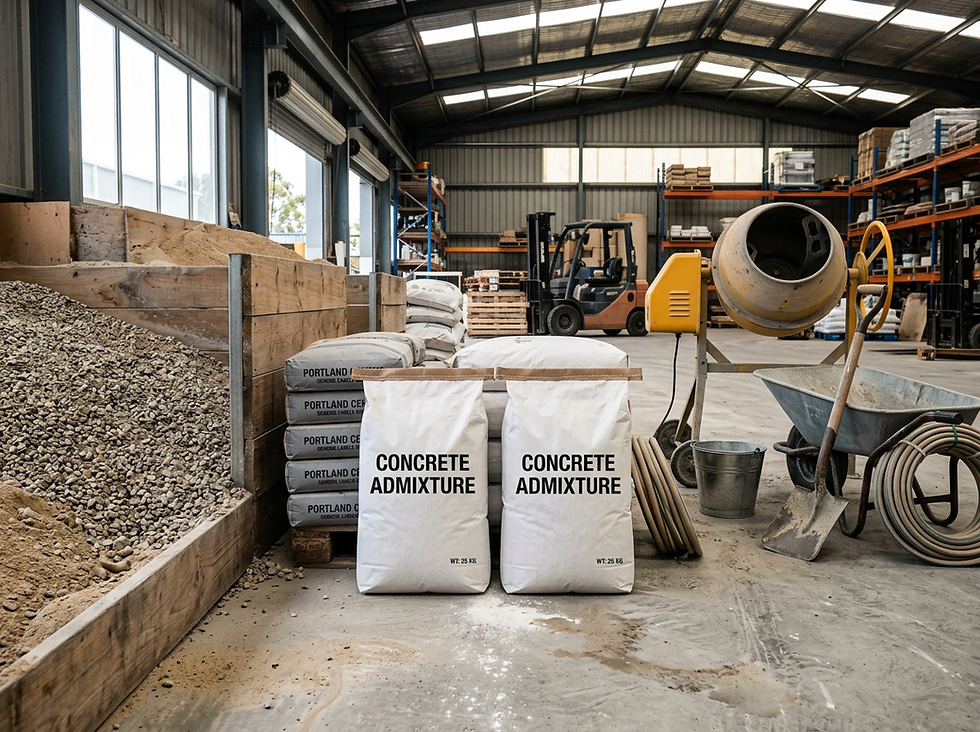
Modern construction material suppliers provide comprehensive ranges of cementitious products tailored to specific project requirements. Selecting appropriate cement types ensures optimal performance and longevity.
Reinforced Concrete Systems
Combining concrete with steel reinforcement creates composite structural materials that leverage the compressive strength of concrete and the tensile strength of steel. This synergy enables the construction of slender, efficient structural elements.
Proper reinforcement placement, adequate concrete cover, and quality control during placement determine the effectiveness of reinforced concrete systems. Attention to these details prevents premature deterioration and ensures structural integrity.
Wood and Timber in Structural Applications
Timber represents one of humanity's oldest structural materials, continuing to play a vital role in modern construction. Engineered wood products expand the capabilities of this renewable resource beyond traditional dimensional lumber.
Advantages of Timber Construction
Wood structural materials provide several compelling benefits:
Sustainability: Renewable resource with carbon sequestration properties
Workability: Easy cutting, shaping, and joining with standard tools
Aesthetics: Natural appearance suitable for exposed structural elements
Thermal Performance: Superior insulation properties compared to steel or concrete
Weight: Lightweight material reducing foundation requirements
Treated timber products extend service life in exterior applications and ground contact situations. Proper treatment protects against decay, insect damage, and weathering.
The application of wood and timber products continues expanding with advances in engineering and treatment technologies. Mass timber construction now enables multi-story buildings that compete with traditional steel and concrete structures.
Advanced and Composite Structural Materials
Innovation drives the development of new structural materials that offer improved performance, reduced weight, or enhanced sustainability. Composite materials combine two or more constituent materials to achieve properties unavailable in individual components.
Fiber-Reinforced Polymers
FRP materials incorporate high-strength fibers within polymer matrices, creating lightweight structural materials with exceptional strength-to-weight ratios. These products excel in corrosive environments where traditional materials deteriorate rapidly.
Applications include bridge rehabilitation, seismic retrofitting, and specialized structures requiring corrosion resistance. While initial costs exceed conventional materials, lifecycle cost analysis often favors FRP solutions in challenging environments.
High-Performance Concrete
Ultra-high-performance concrete (UHPC) represents a significant advancement in cementitious structural materials. These formulations achieve compressive strengths exceeding 150 MPa through optimized particle packing, low water-cement ratios, and fiber reinforcement.
UHPC enables thinner structural elements, longer spans, and enhanced durability. Applications include bridge decks, architectural features, and security structures requiring blast resistance.
Material Selection Criteria for Structural Applications
Selecting appropriate structural materials requires systematic evaluation of multiple factors. Computer-aided materials selection during structural design streamlines this process by organizing and analyzing complex material property data.
Key Selection Factors
Factor | Considerations | Impact on Selection |
Loading Conditions | Dead load, live load, dynamic forces | Determines required strength and stiffness |
Environmental Exposure | Temperature, moisture, chemicals | Influences durability and protection needs |
Service Life | Expected duration and maintenance | Affects material quality and protective measures |
Cost Constraints | Budget limitations and value engineering | Balances performance with economic reality |
Construction Schedule | Project timeline and weather windows | May favor rapid-installation materials |
Sustainability Goals | Carbon footprint and recyclability | Drives selection toward green alternatives |
Each project presents unique requirements demanding careful analysis. Successful material selection optimizes performance while respecting project constraints.
Durability and Long-Term Performance
Structural materials must maintain adequate performance throughout their intended service life. Understanding degradation mechanisms enables appropriate protective measures and maintenance strategies.
Common durability concerns include corrosion of metallic components, freeze-thaw damage in concrete, decay in timber, and ultraviolet degradation of polymers. Proper material specification, protective treatments, and design details mitigate these issues.
The comprehensive overview of structural materials available through academic resources provides valuable background for understanding material behavior and selection principles.
Quality Assurance and Material Testing
Verifying that structural materials meet specified requirements protects project integrity and occupant safety. Comprehensive testing programs evaluate material properties before and during construction.
Standard Testing Protocols
Testing procedures vary by material type:
Steel: Tensile testing, chemical analysis, impact resistance
Concrete: Compressive strength, slump testing, air content
Timber: Visual grading, moisture content, bending strength
Composites: Fiber volume fraction, bond strength, environmental resistance
Third-party testing laboratories provide independent verification of material properties. Documentation of test results creates quality records supporting long-term structural performance.
Certification and Standards Compliance
Industry standards establish minimum requirements for structural materials, ensuring consistency and reliability across suppliers. Compliance with standards such as ASTM, ISO, and local building codes demonstrates material suitability.
Certification programs verify manufacturing processes and quality control systems. Specifying certified materials reduces risk and simplifies the approval process with building officials.
Emerging Trends in Structural Materials
The construction industry continuously evolves as new technologies and sustainability concerns drive innovation in structural materials. Understanding emerging trends positions professionals to leverage advances that improve project outcomes.
Sustainable Material Development
Environmental considerations increasingly influence material selection. Low-carbon concrete formulations, recycled steel products, and sustainably harvested timber reduce construction's environmental footprint.
Bio-based structural materials derived from agricultural waste, bamboo, and other renewable sources show promise for specific applications. These alternatives address resource constraints while maintaining required performance characteristics.
Digital Integration and Smart Materials
Smart structural materials incorporate sensors and monitoring capabilities, enabling real-time assessment of structural health. This technology facilitates predictive maintenance and extends service life through early detection of degradation.
Building Information Modeling (BIM) integration streamlines material selection by linking performance requirements with material databases. This digital approach reduces errors and optimizes designs before construction begins.
Practical Considerations for Procurement and Supply
Securing quality structural materials at competitive prices requires strategic procurement practices. Establishing relationships with reliable suppliers ensures consistent material availability and technical support.
Supplier Evaluation Criteria
Assess potential suppliers based on:
Product Range: Breadth of available structural materials
Quality Certifications: Third-party verification of product standards
Technical Support: Engineering assistance and product guidance
Delivery Reliability: Consistent on-time delivery performance
Pricing Transparency: Clear pricing structures and competitive rates
Working with established construction suppliers provides access to comprehensive product lines and expert guidance. This partnership approach supports project success through reliable material supply and technical expertise.
Inventory Management and Just-In-Time Delivery
Efficient material management balances on-site storage limitations with construction schedule requirements. Just-in-time delivery strategies reduce storage costs while ensuring material availability when needed.
Coordination between suppliers and contractors minimizes delays and optimizes site logistics. Clear communication about delivery schedules, quantities, and specifications prevents costly errors and schedule disruptions.
Regional Considerations and Material Availability
Geographic location significantly impacts structural material selection through factors including local availability, transportation costs, and regional building practices. Materials readily available in one region may be scarce or prohibitively expensive elsewhere.
Climate and Environmental Factors
Regional climate conditions dictate specific material performance requirements. Coastal environments demand enhanced corrosion protection, while seismic zones require materials with superior ductility and energy absorption capabilities.
Temperature extremes influence material behavior and installation procedures. Cold-weather concreting requires special admixtures and curing practices, while hot climates necessitate measures to prevent rapid moisture loss during placement.
Local Building Codes and Preferences
Building codes vary by jurisdiction, specifying minimum material standards and acceptable construction practices. Familiarity with local requirements ensures compliance and streamlines the approval process.
Regional construction traditions and contractor expertise influence practical material selection. Specifying materials that align with local practices can reduce costs and improve construction quality through familiar installation methods.
Selecting appropriate structural materials requires balancing performance requirements, durability expectations, and economic constraints while considering environmental impacts and regional factors. Success depends on thorough understanding of material properties, thoughtful evaluation of project-specific needs, and partnership with reliable suppliers. FT Building and Construction Suppliers provides comprehensive access to quality structural materials including cement, steel products, timber, and specialized construction supplies, supporting your projects with expert guidance and reliable delivery. Contact us today to discuss your structural material requirements and discover how our extensive product range can contribute to your project's success.

Comments