
Structural Steel Suppliers: Your 2026 Guide

Finding the right structural steel suppliers can make or break a construction project. With billions of dollars invested in infrastructure development across North America and global markets, the quality, reliability, and expertise of your steel supplier directly impacts project timelines, budgets, and structural integrity. Understanding what separates exceptional suppliers from average ones requires knowledge of industry standards, market dynamics, and emerging trends shaping the sector in 2026.
Understanding the Role of Structural Steel Suppliers
Structural steel suppliers serve as critical links between steel manufacturers and construction companies. These businesses don't simply store and ship materials. They provide technical expertise, material selection guidance, fabrication capabilities, and logistical support that keeps projects moving forward.
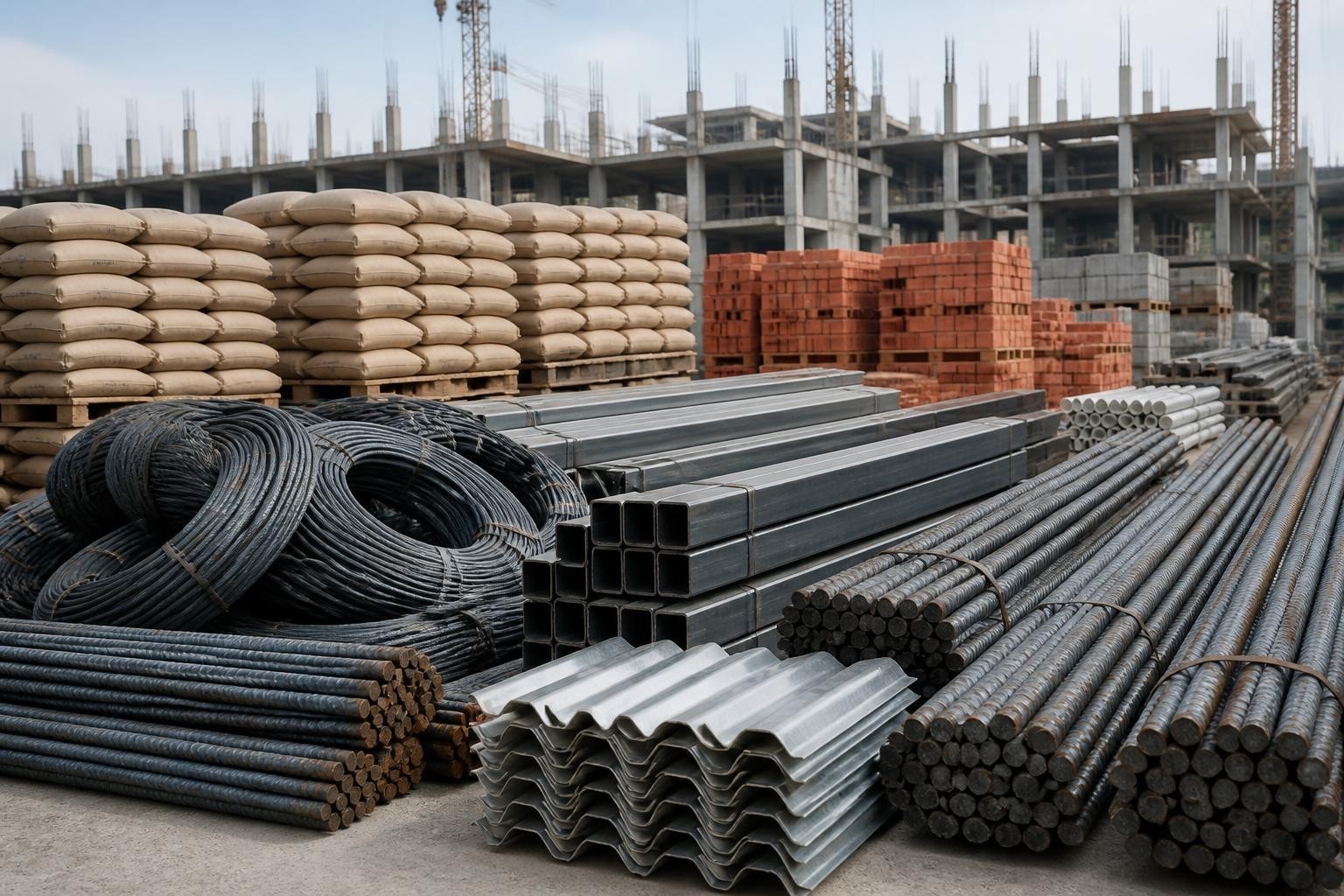
The best suppliers maintain comprehensive inventories of various steel grades, shapes, and sizes. Wide flange beams, channels, angles, plates, and hollow structural sections must be available in multiple dimensions to meet diverse project specifications. Inventory depth matters because construction delays caused by material shortages can cost thousands of dollars per day.
Supply Chain Integration
Modern structural steel suppliers integrate seamlessly into project workflows through digital platforms and responsive customer service. They track orders in real-time, provide accurate delivery windows, and coordinate with other trades to ensure materials arrive when needed. Recent industry surveys confirm strong preference for structural steelwork, highlighting the material's continued dominance in commercial and industrial construction.
Supply chain resilience has become increasingly important. Disruptions from global events, transportation bottlenecks, and raw material shortages test supplier capabilities. Those with diversified sourcing networks and strategic stockpiles demonstrate superior reliability during challenging periods.
Key Selection Criteria for Structural Steel Suppliers
Choosing structural steel suppliers requires evaluating multiple factors beyond price per ton. Quality, certification, capacity, and service differentiate leaders from followers in this competitive market.
Certification and Quality Standards
Reputable suppliers maintain certifications from recognized bodies like AISC (American Institute of Steel Construction), ISO 9001, and regional quality authorities. These certifications validate that materials meet specified chemical compositions, mechanical properties, and dimensional tolerances.
Material test reports (MTRs) should accompany every shipment. These documents trace steel back to specific heats at the mill, listing exact chemical analysis and physical test results. Suppliers who readily provide comprehensive MTRs demonstrate transparency and accountability.
Consider these certification priorities:
AISC certification for fabrication shops
AWS (American Welding Society) certified welders
ISO 9001:2015 quality management systems
Third-party inspection capabilities
Documented quality control procedures
Technical Expertise and Support
Superior structural steel suppliers employ knowledgeable staff who understand structural engineering principles, building codes, and material specifications. When you call with questions about selecting the appropriate steel grade for seismic zones or corrosive environments, they should provide informed recommendations.
Technical support extends to:
Material substitution suggestions when specified products are unavailable
Value engineering proposals that maintain performance while reducing costs
Detailing assistance for connection designs
Load table verification
Compliance documentation for building inspectors
Service Feature | Basic Supplier | Premium Supplier |
Material Certificates | Upon request | Automatic with delivery |
Technical Support | Limited | In-house engineers |
Inventory Range | Standard shapes | Custom and standard |
Lead Times | 4-6 weeks | 2-4 weeks |
After-hours Support | No | Emergency hotline |
Market Dynamics Affecting Structural Steel Supply
Understanding current market conditions helps construction managers make informed purchasing decisions and build contingency plans. The structural steel industry experiences cyclical demand patterns influenced by economic factors, government spending, and technological developments.
Demand Drivers in 2026
Multiple factors are driving U.S. structural steel demand upward this year. Manufacturing reshoring initiatives bring production facilities back to North America, requiring massive industrial construction projects. Data center expansion to support artificial intelligence computing creates unprecedented demand for steel-framed facilities.
Infrastructure modernization programs funded by government legislation continue generating steady demand for bridges, transportation facilities, and public buildings. These long-cycle projects provide structural steel suppliers with predictable order volumes that support capacity planning and inventory investment.
The commercial construction sector shows regional variation. Some markets experience robust activity while others face headwinds from interest rate pressures and development financing challenges. Smart suppliers diversify their customer base across sectors and geographies to maintain stable throughput.
Price Volatility and Procurement Strategies
Steel prices fluctuate based on raw material costs, energy prices, trade policies, and supply-demand imbalances. Analysis of the structural steel market in 2026 reveals continued price volatility despite overall demand strength.
Construction companies employ various strategies to manage price risk:
Forward contracts: Lock in prices for future delivery, protecting budgets from market spikes
Blanket purchase orders: Negotiate volume discounts while maintaining delivery flexibility
Material escalation clauses: Include contract provisions that adjust for documented price changes
Early procurement: Order long-lead items before prices rise during demand surges
Supplier partnerships: Develop relationships that provide pricing visibility and preferential treatment
Evaluating Supplier Capabilities
Not all structural steel suppliers offer identical capabilities. Matching your project requirements with supplier strengths ensures successful outcomes and minimizes complications during construction.
Fabrication Services
Many suppliers provide in-house fabrication, transforming raw steel into finished components ready for installation. Fabrication shops cut, drill, punch, bend, and weld steel according to engineering drawings. This value-added service reduces general contractor coordination requirements and accelerates project schedules.
Fabrication capacity varies widely among suppliers. Small shops handle modest projects with basic equipment while major fabricators operate multiple production lines with CNC machinery, automated welding systems, and sophisticated material handling equipment.
Advanced fabricators utilize:
3D modeling and BIM (Building Information Modeling) integration
CNC plasma and oxy-fuel cutting tables
Automated beam lines for drilling and coping
Robotic welding cells for repetitive tasks
Shot blasting and painting facilities
Assembly and sub-assembly capabilities
Delivery and Logistics Coordination
Transportation logistics significantly impact project costs and schedules. Structural steel suppliers with dedicated trucking fleets or strong carrier relationships provide more reliable delivery performance than those relying solely on spot market freight.
Consider delivery capabilities:
Fleet size and truck configurations (flatbeds, step decks, specialized haulers)
Geographic service area and regional terminals
Crane trucks for off-loading at congested sites
Night and weekend delivery options
Real-time shipment tracking systems
Unloading coordination with site crews
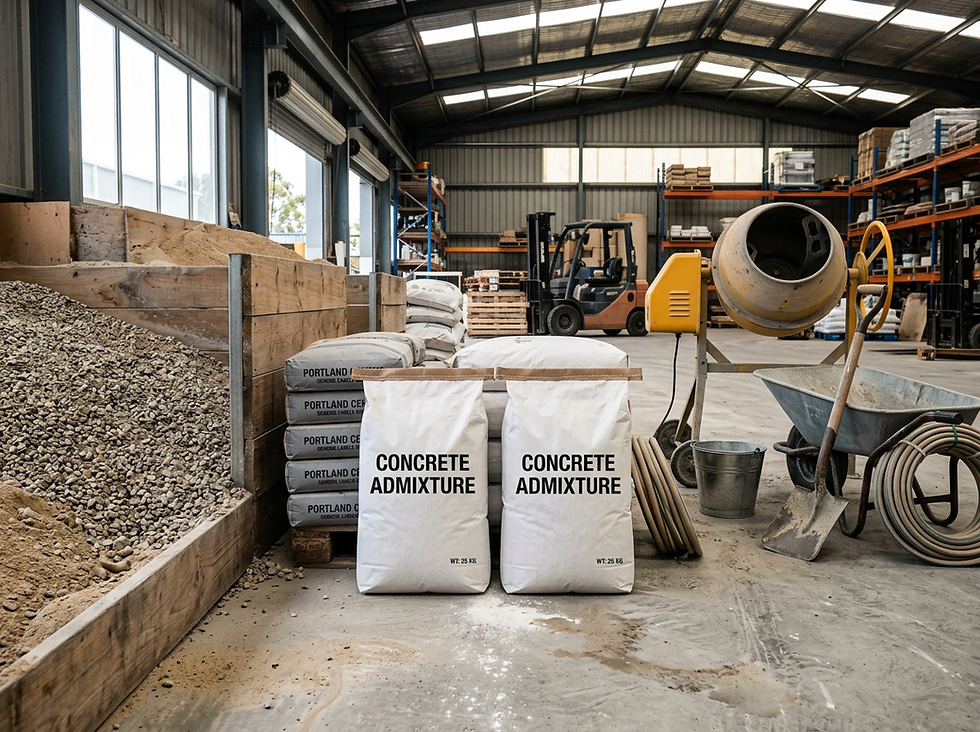
For projects requiring materials that aren't traditionally part of structural steel packages, partnering with comprehensive building material suppliers can simplify procurement. FT Building and Construction Suppliers maintains inventory across multiple product categories, enabling consolidated ordering that reduces administrative overhead and supplier management complexity.
Quality Assurance and Testing Protocols
Material quality directly affects structural safety and building code compliance. Rigorous quality assurance separates professional structural steel suppliers from commodity brokers who simply transact materials without verification.
Incoming Material Verification
Reputable suppliers implement receiving inspection procedures before accepting steel shipments from mills. Inspectors verify that materials match purchase orders, check for shipping damage, and validate that mill test reports correspond to tagged bundles.
Visual inspection identifies surface defects, dimensional inconsistencies, and identification marking accuracy. While not every piece undergoes detailed measurement, statistical sampling ensures conformance to specified tolerances.
Third-Party Testing
For critical applications or when mill test reports raise questions, structural steel suppliers should facilitate third-party laboratory testing. Independent labs perform chemical analysis, tensile testing, impact testing, and other evaluations that verify material properties.
Test Type | Purpose | When Required |
Chemical Analysis | Verify alloy composition | Structural grades, high-strength steel |
Tensile Test | Confirm yield and ultimate strength | Random verification, questionable MTRs |
Charpy Impact | Assess toughness at low temperatures | Cold climate structures, bridges |
Ultrasonic Testing | Detect internal defects | Heavy plates, critical connections |
Dimensional Verification | Ensure size accuracy | Tight-tolerance applications |
Documentation and Traceability
Complete documentation creates an audit trail from steel mill to final installation. This traceability proves essential during building inspections and provides liability protection if material defects emerge years later.
Suppliers should maintain:
Mill test reports for every heat of steel
Fabrication shop drawings and revision logs
Welding procedure specifications (WPS)
Welder qualification records
Inspection reports and non-conformance documentation
Shipping manifests with material identification
Emerging Technologies and Industry Trends
The structural steel industry continues evolving through technological adoption and changing business practices. Forward-thinking suppliers invest in innovations that improve efficiency, quality, and customer service.
Digital Transformation
Structural steel suppliers increasingly leverage digital tools throughout their operations. Customer portals allow 24/7 access to inventory availability, pricing, order status, and documentation. Mobile apps enable field teams to verify deliveries, report issues, and access technical specifications on-site.
Building Information Modeling (BIM) integration represents a significant advancement. Suppliers who work with 3D models can detect conflicts earlier, optimize material usage, and provide more accurate fabrication. This digital collaboration reduces change orders and rework that inflate project costs.
Data analytics help suppliers optimize inventory levels, predict demand patterns, and identify operational inefficiencies. Research on artificial intelligence applications in the steel industry demonstrates how predictive maintenance and quality control algorithms enhance production processes.
Sustainability Initiatives
Environmental consciousness shapes purchasing decisions across the construction industry. Structural steel's recyclability provides inherent sustainability advantages, but suppliers differentiate themselves through additional green initiatives.
Progressive suppliers offer:
Steel produced with electric arc furnaces using recycled scrap
Environmental Product Declarations (EPDs) documenting carbon footprints
Sustainable packaging and shipping practices
Energy-efficient fabrication facilities
Recycling programs for construction scrap
Steel's material efficiency also contributes to sustainability. Compared to alternative framing materials, structural steel requires less volume to achieve equivalent strength, reducing foundation requirements and overall building mass.
Regional Considerations and Availability
Geographic location influences which structural steel suppliers can effectively serve your projects. Transportation costs make distance a significant factor, particularly for commodity products with thin margins.
Local vs. National Suppliers
Local suppliers typically provide faster delivery, lower freight costs, and more responsive service for standard products. They understand regional building codes, climatic conditions, and local construction practices. Relationships with nearby fabricators and erectors create collaborative networks that benefit project teams.
National suppliers offer advantages for large projects or specialized requirements. Their purchasing power may yield better pricing on volume orders. Multiple locations enable them to ship from the closest warehouse, optimizing logistics even across broad geographic areas.
Import Considerations
Imported structural steel sometimes offers cost advantages, though trade policies and tariffs significantly impact pricing. Survey data on North American steel demand indicates selective interest in imports, with buyers carefully weighing price savings against quality concerns and delivery uncertainty.
When considering imported steel:
Verify compliance with domestic standards (ASTM, AISC)
Assess political and trade policy risks
Account for extended lead times
Ensure adequate documentation and testing
Evaluate supplier financial stability and reputation
Domestic structural steel suppliers often maintain competitive positions through superior quality consistency, faster delivery, and reduced documentation complexity.
Building Long-Term Supplier Relationships
Transactional purchasing approaches may secure the lowest price on individual orders, but strategic supplier partnerships deliver greater value over time. Construction companies that cultivate relationships with select structural steel suppliers gain competitive advantages.
Benefits of Partnership Approaches
Preferred customers receive priority treatment during allocation periods when demand exceeds supply. Suppliers stretch their capabilities to meet tight deadlines for reliable partners while marginal customers wait. This preferential service can mean the difference between making critical milestones and expensive delays.
Collaborative planning allows suppliers to anticipate your needs and maintain appropriate inventory. When they understand your project pipeline, they stock materials you'll likely need, reducing lead times and improving availability.
Volume commitments earn pricing concessions beyond spot market rates. Suppliers offer better terms when they can forecast stable demand that justifies inventory investment and capacity planning.
Communication and Feedback
Effective relationships require open communication channels. Regular business reviews provide forums to discuss performance, address concerns, and identify improvement opportunities. Both parties benefit when feedback flows freely.
Suppliers appreciate constructive input about:
Delivery performance and coordination improvements
Packaging and material handling suggestions
Documentation clarity and completeness
Technical support responsiveness
Pricing competitiveness
Buyers gain insights into market conditions, upcoming availability challenges, and new products or services that might benefit their projects.
Risk Management and Contingency Planning
Construction schedules leave little room for material supply failures. Prudent project managers develop contingency plans that mitigate risks associated with structural steel procurement.
Dual Sourcing Strategies
Relying exclusively on single structural steel suppliers creates vulnerability to their operational disruptions, capacity constraints, or financial difficulties. Maintaining qualified backup suppliers provides insurance against supply interruptions.
Dual sourcing doesn't require splitting every order. Instead, periodically place orders with secondary suppliers to maintain active relationships and verify their continued capabilities. This approach preserves options without sacrificing volume discounts from primary partners.
Early Identification of Critical Path Items
Not all structural steel components carry equal schedule importance. Identify long-lead items and critical path elements early in project planning. Unique shapes, special grades, or large quantities may require extended lead times that demand early procurement action.
Materials requiring special attention include:
Heavy wide flange sections (W40 and larger)
High-strength steel (ASTM A913 Grade 65, A992 Grade 65)
Jumbo plates exceeding standard mill dimensions
Weathering steel (ASTM A588) in specific shapes
Custom-fabricated components with complex geometry
Academic research on structural steel supply chain reorganization highlights strategies for addressing quality gaps and improving supply reliability through systematic approaches.
Integration with Broader Construction Supply Needs
While this discussion focuses specifically on structural steel suppliers, successful projects require coordinating multiple material streams. Efficient procurement teams seek opportunities to consolidate suppliers where practical without compromising specialized expertise.
Construction companies benefit from partners who understand the broader context of building projects and how various materials interact. Whether you need construction supplies across multiple categories or specialized technical products, working with knowledgeable suppliers who view themselves as project team members rather than mere vendors elevates outcomes.
The complexity of modern construction demands suppliers who adapt to unique project requirements, provide proactive communication, and deliver consistent quality. As building technologies evolve and performance expectations increase, the gap between excellent suppliers and average ones continues widening.
Standards and Specifications Compliance
Navigating the maze of structural steel specifications requires expertise that quality suppliers provide as part of their value proposition. Multiple organizations publish standards governing steel production, fabrication, and installation, each serving specific purposes within the regulatory framework.
ASTM Material Specifications
The American Society for Testing and Materials (ASTM) publishes widely recognized standards for structural steel products. ASTM A992 covers most structural shapes used in building construction, specifying chemical composition limits, mechanical properties, and manufacturing requirements.
Other common specifications include:
ASTM A36: General structural steel for plates, bars, and shapes
ASTM A572: High-strength low-alloy structural steel in multiple grades
ASTM A588: Weathering steel providing enhanced atmospheric corrosion resistance
ASTM A913: High-strength structural steel shapes with improved weldability
ASTM A500: Cold-formed structural tubing in round, square, and rectangular shapes
Understanding which specification applies to your application ensures proper material selection and code compliance.
AISC Design Standards
The American Institute of Steel Construction publishes design specifications, fabrication standards, and certification programs that govern structural steel construction. The AISC Steel Construction Manual serves as the primary reference for structural engineers designing steel-framed buildings.
AISC's certification programs validate fabricator quality systems, ensuring they possess appropriate equipment, qualified personnel, and quality control procedures. Working with AISC-certified fabricators provides assurance that components will meet engineering intent and building code requirements.
Selecting the right structural steel suppliers fundamentally impacts construction project success through material quality, delivery reliability, and technical support that keeps schedules on track. The 2026 market presents both opportunities and challenges that demand informed supplier partnerships and strategic procurement approaches. When you need comprehensive building materials backed by responsive service and competitive pricing, FT Building and Construction Suppliers delivers the breadth and expertise that construction professionals depend on for projects of all sizes.

Comments