
Bridge Construction Materials: Essential Guide for 2026

Modern infrastructure relies on carefully selected bridge construction materials that can withstand decades of environmental stress, traffic loads, and weather conditions. The choice of materials directly impacts not only the structural integrity and longevity of a bridge but also its construction timeline, maintenance requirements, and overall lifecycle costs. Understanding the properties, applications, and comparative advantages of different bridge construction materials is essential for engineers, contractors, and suppliers working in today's demanding infrastructure landscape.
Core Materials in Modern Bridge Construction
The foundation of any bridge project begins with selecting appropriate structural materials. Traditional options continue to dominate the industry while newer alternatives gain traction in specific applications.
Steel: The Industry Standard
Steel remains the most versatile of all bridge construction materials, offering exceptional strength-to-weight ratios and predictable performance characteristics. Modern steel alloys provide superior tensile strength, making them ideal for suspension bridges, cable-stayed designs, and long-span structures where weight reduction is critical.
Engineers specify several steel types based on project requirements:
Structural carbon steel for general-purpose applications and girders
High-strength low-alloy (HSLA) steel for enhanced durability and corrosion resistance
Weathering steel that develops a protective rust layer, reducing maintenance needs
Stainless steel for marine environments and highly corrosive conditions
The Federal Highway Administration provides comprehensive guidance on bridge design and material specifications that inform material selection nationwide. Steel's modularity allows for prefabrication in controlled environments, significantly reducing onsite construction time and improving quality control.
Concrete: Durability and Versatility
Concrete serves as the backbone of bridge construction materials across highway systems, pedestrian overpasses, and major infrastructure projects. Its compressive strength, moldability, and cost-effectiveness make it indispensable for foundations, piers, decks, and even entire superstructures.
Modern concrete applications include:
Application Type | Common Use | Key Benefits |
Cast-in-place concrete | Bridge decks, piers | Custom fit, monolithic structure |
Precast concrete elements | Girders, deck panels | Quality control, faster construction |
Post-tensioned concrete | Long-span bridges | Reduced cracking, increased span capability |
Ultra-high performance concrete (UHPC) | Joints, repairs, thin elements | Exceptional durability, reduced maintenance |
The North Carolina Department of Transportation documents show how reinforced concrete revolutionized bridge design over the past century. Today's concrete formulations incorporate admixtures that enhance workability, accelerate curing, and improve resistance to freeze-thaw cycles and chemical attack.
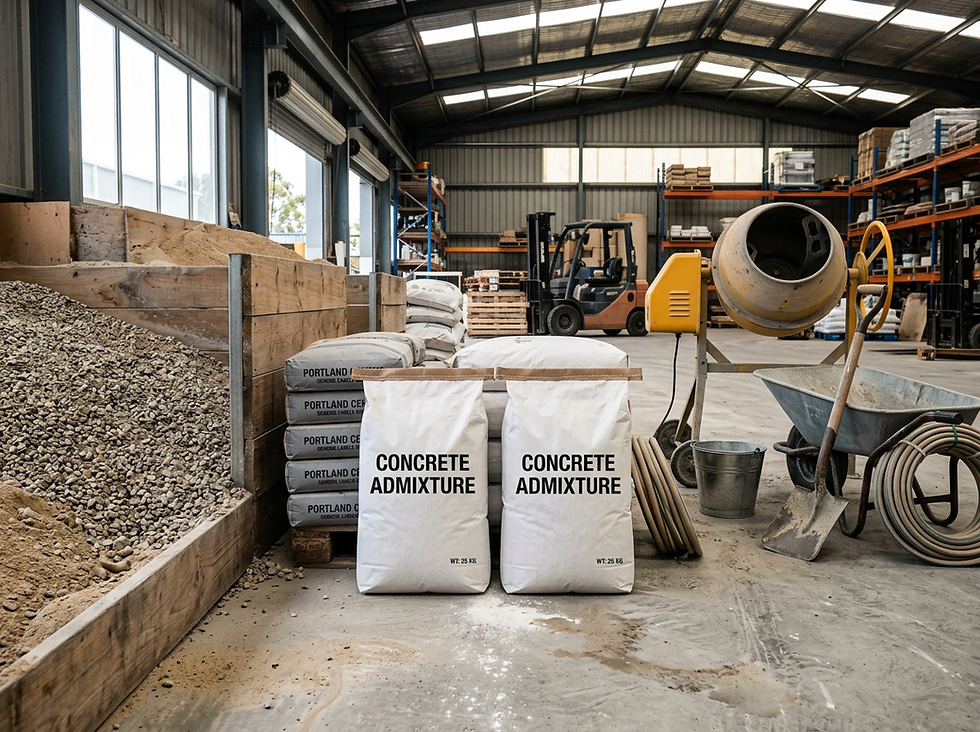
Quality cement products form the foundation of reliable concrete structures. Ordinary Portland Cement (OPC) provides the binding properties necessary for achieving specified strength and durability standards in bridge applications, ensuring long-term structural performance.
Timber: Traditional Yet Effective
Despite advances in engineered materials, timber remains relevant among bridge construction materials, particularly for rural applications, temporary structures, and pedestrian bridges. Treated timber offers acceptable strength properties at lower costs compared to steel and concrete alternatives.
Pressure-treated lumber resists decay and insect damage, extending service life in challenging environments. Modern preservative treatments comply with environmental regulations while maintaining effectiveness. Timber excels in applications requiring rapid deployment or where heavy equipment access is limited.
Advanced and Composite Materials
Innovation continues to expand the range of available bridge construction materials, addressing specific performance requirements and extending structural lifespan.
Fiber-Reinforced Polymers (FRP)
FRP composites represent a significant advancement in bridge construction materials technology. These lightweight, high-strength materials resist corrosion and require minimal maintenance, making them ideal for harsh environments.
Key FRP applications include:
Bridge deck panels replacing traditional concrete
Reinforcement bars (rebar) as corrosion-resistant alternatives to steel
Structural wraps for strengthening existing bridge components
Complete pedestrian bridge structures
The material's non-magnetic and non-conductive properties offer advantages in specific installations. However, higher initial costs and limited long-term performance data continue to restrict widespread adoption.
Aluminum Alloys
Aluminum serves specialized roles among bridge construction materials, particularly in movable bridges and pedestrian structures where reduced weight provides operational advantages. Its excellent corrosion resistance eliminates painting requirements in many environments, lowering lifecycle costs.
Modern aluminum alloys achieve strength levels approaching structural steel while weighing approximately one-third as much. This weight reduction translates to smaller foundations, reduced seismic forces, and simplified construction logistics.
Material Selection Criteria
Choosing appropriate bridge construction materials requires balancing multiple technical, economic, and operational factors. Research from the U.S. Forest Service provides valuable insights into the decision-making process for bridge material selection.
Structural Performance Requirements
Load-bearing capacity forms the primary consideration in material selection. Engineers must account for:
Dead loads from the bridge's own weight
Live loads from traffic, including dynamic effects
Environmental loads such as wind, seismic activity, and temperature variations
Long-term effects including creep, shrinkage, and fatigue
Each type of bridge construction material responds differently to these forces. Steel excels in tension applications, concrete handles compression effectively, and composite materials offer tailored performance characteristics.
Environmental and Durability Factors
The surrounding environment dramatically influences which bridge construction materials perform optimally. Coastal locations demand superior corrosion resistance, while freeze-thaw regions require materials that withstand repeated temperature cycling.
Environmental considerations include:
Chloride exposure from deicing salts or seawater
Atmospheric conditions affecting corrosion rates
Temperature extremes causing expansion and contraction
Moisture levels impacting concrete carbonation and steel corrosion
Chemical exposure from industrial pollutants
Protective systems such as coatings, cathodic protection, and weathering-resistant alloys extend material service life but add to project costs. Virginia DOT's best practices emphasize considering total lifecycle costs rather than just initial material expenses.
Economic Considerations
Budget constraints influence bridge construction materials selection throughout project planning. Initial material costs represent only one component of total ownership expenses.
Cost Category | Steel | Concrete | FRP Composites |
Material cost | Moderate to high | Low to moderate | High |
Installation | Moderate | Moderate to high | Low to moderate |
Maintenance | Moderate to high | Low to moderate | Very low |
Expected lifespan | 50-75 years | 75-100 years | 30-50 years (projected) |
Replacement complexity | Moderate | High | Low to moderate |
Transportation costs significantly impact material economics, particularly for remote locations. Local material availability and construction material suppliers proximity can shift project economics substantially.
Accelerated Bridge Construction Materials
Time-sensitive projects increasingly employ specialized bridge construction materials designed for rapid installation. Accelerated Bridge Construction (ABC) techniques minimize traffic disruption and reduce construction zone exposure.
Prefabricated Bridge Elements
Prefabrication represents a paradigm shift in how bridge construction materials reach project sites. Complete bridge sections manufactured in controlled facilities arrive ready for installation, dramatically reducing onsite work duration.
Common prefabricated elements include:
Full-depth precast concrete deck panels
Steel plate girders with integrated connections
Modular truss sections for long spans
Complete abutment and pier assemblies
Quality control improves when bridge construction materials undergo fabrication and inspection away from weather exposure and tight project schedules. Workers can focus on precision without the pressure of traffic delays or environmental constraints.
Self-Consolidating Concrete
This specialized concrete formulation flows easily into complex forms without mechanical vibration, ensuring complete filling of reinforcement details and eliminating honeycombing defects. Bridge construction materials specifications increasingly include self-consolidating concrete for intricate components and congested reinforcement areas.
Sustainable Material Practices
Environmental stewardship increasingly influences how industry professionals specify and utilize bridge construction materials. Sustainable practices reduce environmental impact while often improving long-term performance.
Recycled Content and Reuse
Steel boasts exceptional recyclability, with most structural steel containing significant recycled content. Demolished bridge steel returns to mills for reprocessing without quality degradation, creating a closed-loop material cycle.
Concrete recycling presents greater challenges but continues advancing. Crushed concrete serves as aggregate in new concrete mixes, road base material, and erosion control applications. Some bridge construction materials now incorporate:
Industrial byproducts like slag cement and fly ash replacing Portland cement
Recycled glass as fine aggregate
Reclaimed asphalt pavement in approach roadways
Recycled plastic fibers for crack control
Low-Carbon Alternatives
Climate considerations drive development of lower-carbon bridge construction materials. Supplementary cementitious materials reduce concrete's carbon footprint by partially replacing energy-intensive Portland cement. Some projects specify carbon-negative concrete that absorbs more CO2 during curing than cement production releases.
Steel producers invest in electric arc furnace technology and hydrogen-based reduction processes to decrease manufacturing emissions. Harford County's documentation of bridge construction materials includes sustainability considerations alongside traditional performance metrics.
Quality Assurance and Testing
Ensuring bridge construction materials meet specifications requires rigorous testing protocols throughout the supply chain and construction process. Material testing verifies compliance with design assumptions and regulatory standards.
Material Certification and Testing
Suppliers provide mill certificates documenting chemical composition and mechanical properties for steel products. Concrete testing includes:
Fresh concrete tests:
Slump for workability
Air content for freeze-thaw resistance
Temperature to ensure proper curing
Hardened concrete tests:
Compressive strength cylinders at 7, 14, and 28 days
Core samples from completed work
Permeability testing for durability assessment
Field inspection ensures proper storage and handling of bridge construction materials before installation. Moisture-sensitive materials require protection from precipitation, while steel components need inspection for coating damage during transportation and handling.
Non-Destructive Evaluation
Advanced testing methods assess installed bridge construction materials without causing damage. Techniques include:
Ultrasonic testing detecting internal flaws in steel and concrete
Ground-penetrating radar mapping rebar placement and detecting voids
Magnetic particle inspection revealing surface and near-surface defects in ferromagnetic materials
Impact-echo testing evaluating concrete thickness and delamination
These technologies support quality control during construction and inform maintenance decisions throughout bridge service life.
Regional Material Specifications
Geographic location significantly influences appropriate bridge construction materials selection. Arizona DOT's bridge design guidelines reflect regional considerations including extreme temperature swings and minimal freeze-thaw exposure.
Climate-Specific Considerations
Northern climates prioritize resistance to deicing salt exposure and freeze-thaw cycles. Bridge construction materials in these regions typically include:
Epoxy-coated or stainless-steel reinforcement
Dense, low-permeability concrete mixes
Weathering steel or protective coating systems
Expansion joints designed for large thermal movements
Coastal environments demand superior corrosion protection due to salt spray and high humidity. Specifications emphasize corrosion-resistant alloys, protective coatings, and concrete cover thickness over reinforcement.
Seismic zones require ductile materials capable of energy dissipation during earthquakes. Steel's ductility provides advantages in these locations, while concrete structures incorporate special detailing for seismic resistance.
Emerging Technologies and Future Trends
Innovation continues reshaping available bridge construction materials and construction methods. Several technologies show promise for mainstream adoption within the next decade.
Smart Materials
Self-healing concrete incorporates bacteria or encapsulated healing agents that automatically seal cracks when moisture penetrates, extending service life and reducing maintenance requirements. While still primarily experimental, several demonstration projects have shown promising results.
Shape-memory alloys return to their original form after deformation, offering potential applications in seismic damping systems and adaptive structures. These advanced bridge construction materials respond to environmental triggers, providing active rather than passive performance.
3D-Printed Components
Additive manufacturing enables complex geometries impossible with conventional forming methods. Early bridge projects have successfully employed 3D-printed concrete for architectural elements and even small complete structures. As technology matures and scales, printed bridge construction materials may offer customization and material optimization advantages.
Ultra-High Performance Materials
UHPC achieves compressive strengths exceeding 20,000 psi, enabling thinner sections and longer spans than conventional concrete. Its extremely dense matrix resists chloride penetration and virtually eliminates permeability. While costs remain higher than standard concrete, lifecycle advantages make UHPC increasingly competitive for critical applications.
The National Academies provides guidance on implementing advanced post-tensioned concrete systems that leverage high-performance bridge construction materials for improved durability and extended service life.
Maintenance and Material Longevity
Proper maintenance practices maximize the service life of all bridge construction materials. Proactive care prevents small issues from developing into structural deficiencies requiring expensive repairs or premature replacement.
Protective Systems
Coating systems shield steel surfaces from corrosive environments. Paint systems typically include primer, intermediate, and topcoat layers, each serving specific protective functions. Galvanized coatings provide sacrificial protection, corroding preferentially to preserve underlying steel.
Concrete sealers reduce chloride penetration and moisture infiltration, slowing reinforcement corrosion. Penetrating sealers chemically react with concrete, while topical sealers form surface barriers. Selection depends on exposure conditions and performance requirements.
Inspection and Repair
Regular inspection identifies deteriorating bridge construction materials before failures occur. Visual inspections catch obvious defects, while detailed inspections employ specialized equipment and techniques to assess hidden conditions.
Common repair materials include:
Epoxy injection for crack sealing
Polymer-modified overlays for deck surface protection
Cathodic protection systems halting reinforcement corrosion
FRP wraps strengthening deteriorated members
Timely intervention using appropriate repair materials extends bridge service life cost-effectively compared to full replacement.
Supply Chain Considerations
Reliable access to quality bridge construction materials requires established relationships with reputable suppliers. Structural materials sourcing impacts project schedules, quality outcomes, and budget performance.
Supplier Qualification
Due diligence in supplier selection ensures consistent material quality and delivery reliability. Evaluation criteria include:
Certification and quality management systems
Production capacity and lead times
Testing capabilities and documentation
Transportation logistics and delivery performance
Technical support and problem-solving ability
Working with comprehensive construction suppliers who maintain diverse inventory reduces the complexity of coordinating multiple vendors while ensuring material compatibility across project components.
Material Storage and Handling
Proper storage prevents degradation before installation. Bridge construction materials require different protective measures:
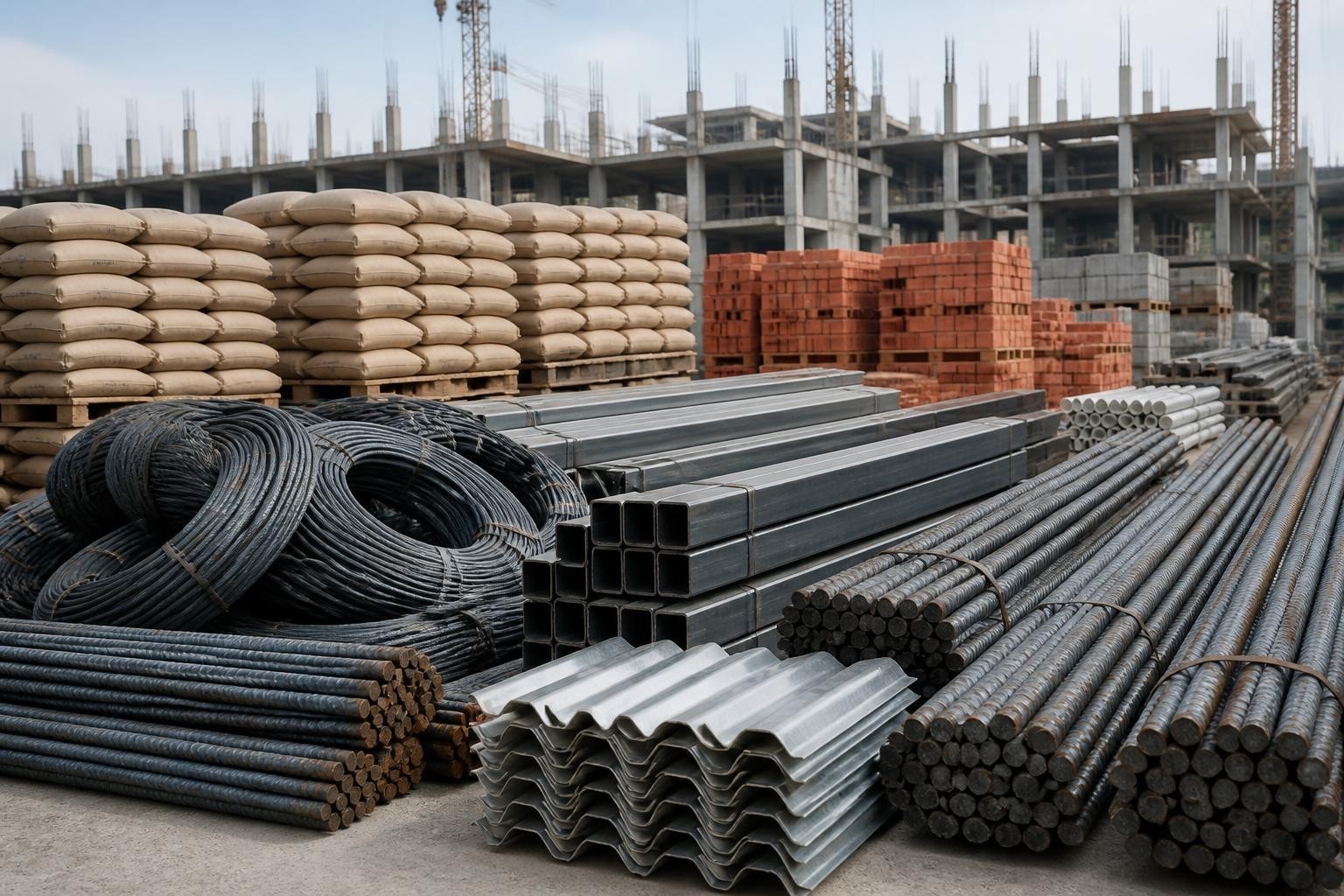
Steel products need dry storage or protective covers to prevent corrosion. Coating damage during handling compromises protective systems, requiring touch-up before installation.
Cement and cementitious materials must remain dry and protected from moisture contamination. Bulk cement requires sealed silos, while bagged cement needs elevated, weatherproof storage.
Reinforcement products should be stored off the ground on dunnage, with different steel types segregated to prevent mix-ups during installation.
Selecting appropriate bridge construction materials requires balancing structural performance, environmental conditions, economic constraints, and sustainability goals to achieve optimal lifecycle value. Whether your project demands traditional materials like steel and concrete or innovative composites and high-performance alternatives, partnering with a reliable supplier ensures access to quality products and technical expertise. FT Building and Construction Suppliers provides comprehensive construction materials including steel products, cement, and specialized supplies to support your infrastructure projects from planning through completion.

Comments