
Cheap Building Materials: A Complete Guide for 2026

Budget constraints are among the most significant challenges in construction projects, whether you're building a residential home, commercial structure, or infrastructure development. Finding cheap building materials that maintain structural integrity and meet code requirements requires strategic sourcing, informed decision-making, and knowledge of market alternatives. This comprehensive guide explores practical strategies for identifying affordable construction supplies while maintaining quality standards that ensure project longevity.
Understanding the True Cost of Building Materials
Material costs represent approximately 40-50% of total construction expenses, making them a critical factor in project budgeting. The price of cheap building materials varies significantly based on regional availability, transportation costs, and market demand fluctuations throughout 2026.
Regional Price Variations and Market Dynamics
Construction material pricing differs substantially across geographic regions. Coastal areas typically face higher prices due to transportation logistics, while regions near manufacturing facilities benefit from reduced shipping costs. Understanding these market dynamics helps contractors and builders identify optimal purchasing windows.
Key factors affecting regional pricing include:
Proximity to manufacturing facilities and quarries
Local demand and construction activity levels
Transportation infrastructure and fuel costs
Import tariffs and trade agreements
Seasonal weather patterns affecting production
Material Quality vs. Cost Considerations
Selecting cheap building materials requires careful evaluation beyond initial purchase price. Long-term performance, maintenance requirements, and replacement cycles significantly impact total project costs. Affordable building materials that can save you money must balance upfront savings with durability expectations.
Material Category | Budget Option | Mid-Range Option | Premium Option | 20-Year Total Cost |
Roofing | Asphalt Shingles | Metal Roofing | Clay Tiles | Budget: $8,500 |
Siding | Vinyl | Fiber Cement | Brick | Budget: $12,000 |
Flooring | Laminate | Engineered Wood | Hardwood | Budget: $6,200 |
Framing | Steel Studs | Dimensional Lumber | Engineered Lumber | Budget: $15,000 |
Strategic Sourcing Methods for Budget Construction
Identifying reliable sources for cheap building materials requires networking, research, and timing. Multiple channels exist for sourcing affordable supplies without compromising project specifications.
Traditional and Alternative Material Suppliers
Established supplier relationships provide consistent pricing and reliable delivery schedules. Construction material suppliers offer competitive wholesale pricing for bulk orders, reducing per-unit costs significantly.
Primary sourcing channels include:
Wholesale distributors offering volume discounts
Manufacturer direct sales eliminating middleman markup
Salvage yards providing reclaimed materials
Government surplus auctions selling excess inventory
Online marketplaces connecting buyers with regional sellers
Timing Your Material Purchases
Seasonal price fluctuations create opportunities for substantial savings. Construction materials often decrease in price during off-peak seasons when demand softens. Winter months typically see reduced prices on exterior materials, while interior finishing supplies may drop during summer construction peaks.
Planning material purchases around these cycles requires flexible project scheduling and adequate storage capacity. Where to get cheap building materials top sources identifies optimal purchasing windows throughout the calendar year.
Affordable Alternatives to Traditional Materials
Innovation in construction technology has produced numerous budget-friendly alternatives to conventional materials. These options maintain structural performance while reducing material costs substantially.
Engineered Wood Products
Engineered lumber products like oriented strand board (OSB) and laminated veneer lumber (LVL) provide strength comparable to traditional lumber at lower costs. These manufactured products optimize wood fiber usage, reducing waste and material expenses.
Manufacturing advancements have improved the moisture resistance and dimensional stability of engineered products. OSB sheathing costs approximately 30% less than plywood while meeting identical structural requirements for most applications.
Composite and Recycled Materials
Recycled content materials offer environmental benefits alongside cost savings. Composite decking manufactured from recycled plastics and wood fibers eliminates maintenance costs associated with traditional wood decking. Initial material costs may be higher, but lifecycle costs prove substantially lower.
Advantages of composite materials:
Elimination of painting and sealing requirements
Resistance to rot, insects, and moisture damage
Consistent dimensional stability
Reduced replacement frequency
Lower long-term maintenance expenses
Foundation and Structural Material Savings
Foundation and structural components represent significant portions of construction budgets. Selecting appropriate cheap building materials for these critical applications requires careful engineering consideration.
Concrete and Cement Optimization
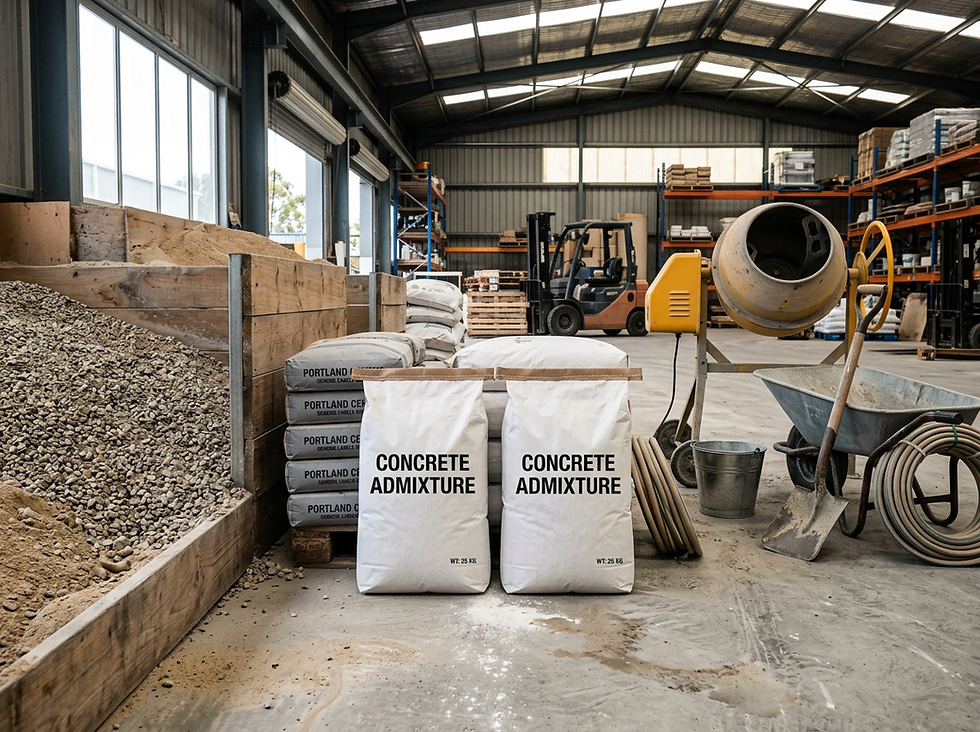
Concrete mixture optimization reduces material costs without compromising strength specifications. Supplementary cementitious materials (SCMs) like fly ash and slag cement partially replace Portland cement, lowering costs while improving concrete performance.
For contractors and developers seeking reliable cement supplies at competitive prices, finding trusted cement suppliers for developers provides practical guidance on establishing supplier relationships that balance quality and budget considerations.
Steel and Rebar Alternatives
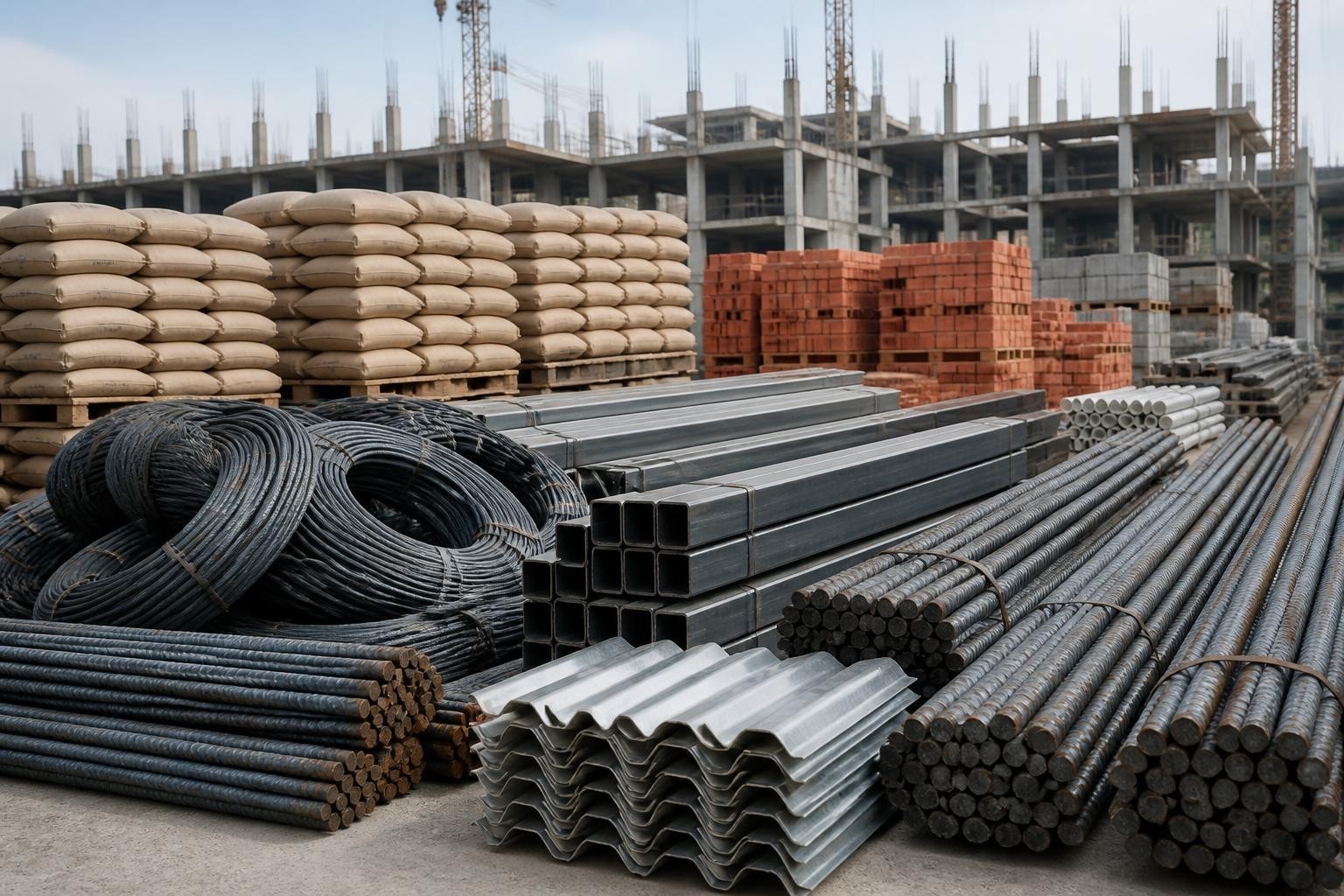
Structural steel pricing fluctuates based on global commodity markets. Timing steel purchases during market dips creates significant savings opportunities. Substituting fiber-reinforced concrete for traditional rebar in appropriate applications reduces both material and labor costs.
Steel cost reduction strategies:
Purchasing during commodity price dips
Using optimized rebar spacing designs
Implementing fiber reinforcement where applicable
Sourcing from regional steel mills
Negotiating long-term supply contracts
Exterior Envelope Material Selection
Building envelope materials significantly impact both construction costs and long-term energy expenses. Selecting cheap building materials for exterior applications requires balancing initial investment with operational efficiency.
Roofing Material Economics
Asphalt shingles remain the most economical roofing option for residential construction, costing $3.50-$5.50 per square foot installed. Metal roofing presents higher initial costs but offers 50-year lifespans compared to 20-25 years for asphalt products.
Construction budget with these cheap building materials explores fourteen economical roofing and siding alternatives suitable for various climate conditions and architectural styles.
Siding and Cladding Options
Vinyl siding provides the lowest installed cost at $4-$8 per square foot, requiring minimal maintenance throughout its lifespan. Fiber cement siding costs moderately more but offers superior durability and fire resistance, potentially reducing insurance premiums.
Siding Type | Cost per Sq Ft | Lifespan | Maintenance | Best Climate |
Vinyl | $4-8 | 20-40 years | Minimal | Moderate |
Fiber Cement | $7-14 | 50+ years | Low | All climates |
Wood | $8-20 | 20-40 years | High | Dry climates |
Brick Veneer | $10-25 | 100+ years | Minimal | All climates |
Stucco | $6-9 | 50+ years | Moderate | Dry climates |
Interior Finishing Material Strategies
Interior finishes create substantial cost variation depending on material selection and installation methods. Identifying cheap building materials for interior applications allows budget reallocation to critical structural components.
Drywall and Ceiling Systems
Standard gypsum drywall represents the most economical wall finishing system, costing $1.50-$3.00 per square foot installed. Alternative systems like plaster or wood paneling increase costs substantially without providing functional advantages for most residential applications.
Ceiling treatments similarly offer wide price ranges. Standard drywall ceilings provide the lowest cost, while suspended ceiling systems increase material expenses but reduce labor requirements in commercial settings.
Flooring Material Comparisons
Flooring selection dramatically impacts both initial construction costs and long-term replacement expenses. Luxury vinyl plank (LVP) flooring has emerged as a cost-effective alternative to hardwood, offering similar aesthetics at one-third the price.
Budget-friendly flooring options ranked by installed cost:
Sheet vinyl: $2-5 per square foot
Carpet: $3-6 per square foot
Laminate: $4-8 per square foot
Luxury vinyl plank: $5-10 per square foot
Ceramic tile: $6-12 per square foot
Engineered hardwood: $8-14 per square foot
Reclaimed and Salvaged Material Opportunities
Reclaimed building materials provide exceptional value while contributing to sustainable construction practices. These materials often exceed current manufacturing standards in quality and durability.
Architectural Salvage Sources
Architectural salvage yards stock materials from demolition projects, offering substantial discounts compared to new materials. Reclaimed lumber, doors, windows, and fixtures provide character while reducing material expenses by 50-70%.
Where to find free lumber for raised beds discusses unconventional sources for reclaimed wood materials applicable to various construction projects beyond landscaping applications.
Quality Verification for Reclaimed Materials
Purchasing reclaimed materials requires thorough inspection to verify structural integrity. Wood products should be examined for rot, insect damage, and structural defects. Metal materials need assessment for corrosion and fatigue.
Inspection checklist for reclaimed materials:
Structural integrity and load-bearing capacity
Moisture damage and decay indicators
Code compliance and safety standards
Dimensional consistency and usability
Cleaning and preparation requirements
Bulk Purchasing and Cooperative Buying
Volume purchasing creates substantial savings opportunities for cheap building materials. Coordinating purchases with other contractors or projects maximizes discount potential while minimizing storage requirements.
Establishing Supplier Relationships
Long-term supplier relationships provide access to preferred pricing, priority allocation during shortages, and flexible payment terms. Understanding construction material suppliers highlights the benefits of strategic supplier partnerships for consistent material availability.
Cooperative Purchasing Strategies
Contractors and builders can form purchasing cooperatives to achieve volume discounts typically reserved for large-scale developers. Pooling orders for common materials like lumber, concrete, and fasteners reduces individual project costs while maintaining quality standards.
Cooperative buying advantages:
Access to wholesale pricing tiers
Reduced per-unit transportation costs
Shared storage facility expenses
Enhanced negotiating leverage
Consistent material specifications
Material Specification and Value Engineering
Value engineering identifies opportunities to reduce material costs through specification adjustments that maintain performance requirements. This systematic approach analyzes each building component for potential cost optimization.
Performance-Based Specification
Specifying materials by performance requirements rather than brand names increases supplier competition and reduces costs. Performance specifications allow substitution of equivalent materials that meet functional criteria at lower prices.
Structural components particularly benefit from performance-based specifications. Steel, concrete, and lumber can be sourced from various suppliers meeting identical strength and durability standards at different price points.
Design Modifications for Material Efficiency
Architectural and engineering design modifications reduce material consumption without compromising functionality. Optimizing structural spans, standardizing dimensions, and minimizing waste through modular planning decrease overall material requirements.
Design strategies for material reduction:
Align building dimensions with standard material sizes
Optimize structural member spacing
Minimize architectural complexity
Standardize window and door sizes
Design for efficient material cutting patterns
Digital Tools and Online Resources
Technology has transformed material sourcing, providing unprecedented access to pricing information and supplier networks. Online platforms connect buyers with suppliers offering cheap building materials at competitive rates.
Price Comparison Platforms
Digital marketplaces aggregate pricing from multiple suppliers, enabling real-time cost comparisons. Low cost building materials price guide provides current pricing data across material categories, helping contractors identify cost-effective suppliers.
Online Supplier Networks
E-commerce platforms specializing in construction materials eliminate geographic limitations in supplier selection. Remote purchasing requires careful verification of product specifications, shipping costs, and return policies to ensure total costs remain competitive with local sources.
Regional Material Availability and Transportation
Geographic location significantly influences cheap building materials pricing through transportation cost impacts. Selecting locally manufactured or sourced materials reduces shipping expenses while supporting regional economies.
Local Material Sourcing Benefits
Materials sourced within 500 miles of project sites minimize transportation costs and environmental impacts. Concrete, aggregates, and lumber particularly benefit from local sourcing due to weight-to-value ratios making long-distance shipping economically impractical.
Regional material availability varies based on natural resources and manufacturing infrastructure. Understanding local supply chains helps contractors identify the most economical materials for specific applications.
Transportation Cost Management
Transportation represents 15-25% of delivered material costs for many products. Consolidating shipments, selecting optimal delivery schedules, and coordinating with other projects reduces per-unit transportation expenses.
Transportation optimization strategies:
Schedule full truckload deliveries
Coordinate deliveries across multiple projects
Select suppliers offering free delivery minimums
Utilize backhaul opportunities
Plan material staging to minimize rehandling
Quality Assurance for Budget Materials
Ensuring cheap building materials meet code requirements and performance standards protects against costly failures and replacements. Quality verification processes should accompany all material purchases regardless of price point.
Testing and Certification Requirements
Building codes mandate specific testing and certification for structural materials. Concrete, steel, lumber, and other load-bearing materials require documentation verifying compliance with applicable standards. Purchasing materials without proper certification creates liability risks and potential code violations.
Third-party certification programs provide independent verification of product performance. Organizations like the International Code Council (ICC) and American Society for Testing and Materials (ASTM) establish standards ensuring material reliability.
Supplier Verification and Due Diligence
Researching supplier reputations prevents costly mistakes from purchasing substandard materials. Online reviews, industry references, and Better Business Bureau ratings provide insight into supplier reliability and product quality.
Established suppliers typically offer material warranties covering defects and performance failures. Warranty terms should be reviewed carefully, understanding coverage limitations and claim procedures before purchase commitments.
Seasonal and Market Timing Strategies
Construction material markets experience predictable seasonal patterns and cyclical trends. Strategic purchasing during favorable market conditions creates significant savings opportunities for cheap building materials.
Seasonal Demand Cycles
Winter months typically see reduced construction activity in cold climates, softening material demand and pricing. Purchasing exterior materials during off-season periods captures discount pricing while allowing storage until spring construction resumes.
Interior finishing materials experience opposite seasonal patterns, with reduced prices during peak exterior construction months when interior work decreases. Understanding these cycles allows strategic purchasing throughout the year.
Economic Cycle Considerations
Broader economic conditions influence construction material pricing through demand fluctuations. Economic downturns reduce construction activity, creating excess inventory and competitive pricing as suppliers seek to maintain sales volumes.
Monitoring economic indicators like housing starts, commercial construction permits, and infrastructure spending forecasts helps anticipate material price movements. Locking in prices through forward contracts during market dips protects against subsequent price increases.
Storage and Inventory Management
Purchasing cheap building materials during favorable pricing periods requires adequate storage infrastructure. Proper material storage prevents damage and deterioration that would negate cost savings.
On-Site Storage Requirements
Weather-sensitive materials like lumber, drywall, and insulation require covered storage preventing moisture damage. Concrete and masonry products tolerate outdoor storage but need protection from ground moisture and proper drainage.
Material-specific storage guidelines:
Lumber: Elevated, covered, with air circulation
Cement: Dry, elevated, protected from moisture
Steel: Covered to prevent corrosion
Drywall: Indoor storage, elevated off ground
Insulation: Dry, protected from compression
Inventory Tracking and Rotation
Systematic inventory management prevents material loss, theft, and deterioration. Digital inventory systems track material locations, quantities, and purchase dates, enabling efficient material utilization and preventing over-purchasing.
First-in, first-out (FIFO) rotation ensures older materials are used before newer stock, preventing deterioration from extended storage periods. This approach particularly benefits perishable materials like adhesives, sealants, and certain chemical products.
Environmental and Sustainability Considerations
Sustainable building practices increasingly influence material selection decisions. Many environmentally friendly materials qualify as cheap building materials while providing superior performance and reduced environmental impacts.
Recycled Content Materials
Products manufactured from recycled content often cost less than virgin material equivalents while reducing environmental footprints. Recycled steel, plastic lumber, and rubber products deliver comparable performance at competitive prices.
Manufacturers increasingly incorporate recycled content into traditional products. Concrete containing fly ash or slag cement costs less than pure Portland cement formulations while offering enhanced durability in certain applications.
Energy Efficiency and Long-Term Value
Material selection impacts building operational costs through energy efficiency implications. Investing slightly more in insulation, windows, and air sealing materials creates substantial long-term energy savings exceeding initial cost premiums.
Life-cycle cost analysis evaluates total ownership costs rather than solely initial material expenses. This comprehensive approach identifies truly economical materials considering maintenance, replacement, and operational costs over building lifespans.
Finding cheap building materials requires strategic planning, market knowledge, and quality verification to ensure cost savings don't compromise project integrity. Success depends on balancing initial material costs with long-term performance, maintenance requirements, and replacement cycles. Whether you're sourcing cement, steel, lumber, or finishing materials, FT Building and Construction Suppliers provides access to competitively priced construction supplies backed by reliable delivery and quality assurance, helping you build successfully within budget constraints.

Comments