
Supply Construction: Optimizing Material Flow in 2026

Supply construction represents the backbone of successful building projects, encompassing the strategic procurement, management, and delivery of materials that keep construction sites operational. In 2026, the construction industry faces unprecedented challenges in material availability, cost fluctuations, and logistical complexity. Understanding how to optimize supply construction processes can mean the difference between projects that finish on time and under budget versus those that face costly delays and budget overruns. This comprehensive guide explores the critical components of effective supply construction management, from vendor relationships to inventory control strategies that modern contractors and builders need to master.
Understanding Supply Construction Fundamentals
Supply construction involves much more than simply ordering materials when needed. It encompasses a comprehensive system of planning, procurement, storage, and distribution that ensures the right materials arrive at the right place at the right time. The complexity of supply chain management in construction stems from the industry's fragmented nature, with multiple suppliers, subcontractors, and stakeholders coordinating across diverse project requirements.
Core Components of Effective Supply Construction
The foundation of supply construction rests on several interconnected elements that work together to maintain project momentum:
Demand forecasting: Accurately predicting material needs based on project schedules and scope
Vendor management: Establishing reliable relationships with multiple suppliers to ensure material availability
Inventory optimization: Balancing on-site storage with just-in-time delivery to reduce carrying costs
Quality assurance: Implementing inspection protocols to verify material specifications and standards
Cost control: Monitoring pricing fluctuations and negotiating favorable terms with suppliers
Successful supply construction requires visibility across the entire material lifecycle, from initial specification through final installation. Modern projects often utilize specialized software platforms that track materials, manage orders, and provide real-time updates on delivery status.
The Impact of Supply Construction on Project Outcomes
Research demonstrates that effective supply chain management significantly impacts construction productivity, with well-managed material flows reducing downtime and improving labor efficiency. When supply construction processes break down, the consequences ripple throughout the entire project timeline.
Consider these measurable impacts:
Supply Construction Factor | Impact on Project |
Material delays | 15-30% schedule extension |
Poor quality control | 20-40% rework costs |
Inefficient procurement | 10-25% budget overruns |
Inventory mismanagement | 5-15% waste increase |
Projects that prioritize supply construction excellence typically experience fewer change orders, reduced material waste, and improved subcontractor relationships. The hidden costs of material procurement often exceed the visible price tags, making efficient processes crucial for maintaining profitability.
Strategic Procurement in Supply Construction
Procurement strategies form the cornerstone of effective supply construction management. In 2026, construction companies face volatile material markets, requiring more sophisticated approaches to sourcing and purchasing. The traditional reactive model of ordering materials as needed has given way to strategic procurement that anticipates needs and leverages market conditions.
Building Strategic Supplier Relationships
Strong vendor partnerships provide stability in uncertain markets. Rather than focusing solely on lowest-cost bidding, successful supply construction strategies emphasize total value, including reliability, quality consistency, and responsive customer service. Companies like FT Building and Construction Suppliers demonstrate how comprehensive product catalogs combined with reliable delivery create value beyond simple price competition.
Effective supplier relationship management involves:
Qualification processes: Vetting suppliers for financial stability, capacity, and track record
Performance metrics: Establishing measurable standards for delivery times, quality, and responsiveness
Communication protocols: Creating clear channels for orders, updates, and issue resolution
Contract negotiation: Securing favorable terms while maintaining fair, sustainable partnerships
Continuous evaluation: Regularly reviewing supplier performance and adjusting relationships accordingly
Multi-sourcing strategies protect against supply disruptions while maintaining competitive pricing. Savvy construction managers typically maintain relationships with at least two qualified suppliers for critical materials, ensuring backup options when primary sources face constraints.
Optimizing Material Specifications
Supply construction efficiency improves dramatically when material specifications balance performance requirements with availability and cost. Over-specification leads to unnecessary expenses and potential delays waiting for specialty items, while under-specification risks quality issues and rework.
Smart specification strategies include:
Standardizing materials across multiple projects to leverage volume purchasing
Identifying acceptable substitutes before procurement begins
Consulting suppliers during design phases to understand market availability
Building flexibility into specifications to accommodate supply chain realities
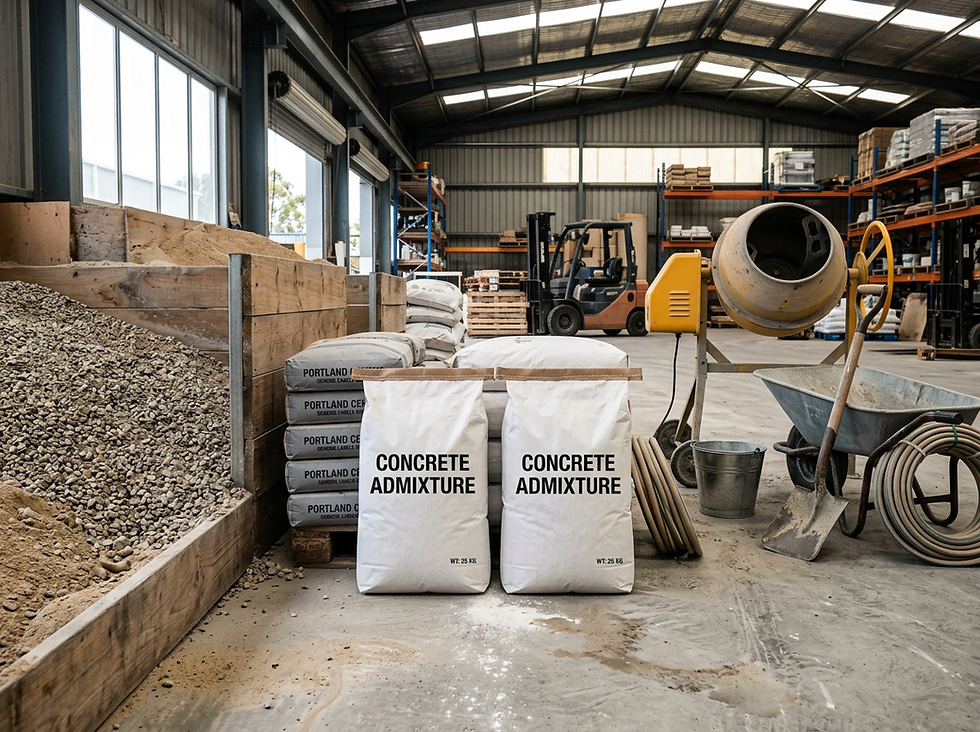
The construction chemicals and additives sector exemplifies how specification choices impact both performance and procurement efficiency, with numerous products offering similar benefits at varying price points and availability levels.
Logistics and Delivery Management
Transportation and delivery coordination represent critical yet often underestimated aspects of supply construction. Even the best procurement strategies fail when materials don't reach job sites when needed. In 2026, logistics management has become increasingly sophisticated, with real-time tracking and optimized routing becoming standard practice.
Coordinating Delivery Schedules
Job site space constraints make delivery timing crucial. Materials arriving too early consume valuable staging area and risk damage or theft, while late deliveries halt work and idle crews. Effective supply construction synchronizes deliveries with construction sequences, ensuring materials arrive precisely when installation teams are ready.
Advanced delivery coordination involves:
Site logistics planning: Mapping material staging areas and access routes before deliveries begin
Sequence optimization: Aligning delivery timing with construction schedules and crew availability
Communication systems: Establishing notification protocols between suppliers, carriers, and site managers
Contingency planning: Preparing backup delivery options for weather delays or access issues
Delivery Strategy | Benefits | Challenges |
Bulk delivery | Lower transportation costs, volume discounts | Requires storage space, risk of damage |
Just-in-time | Minimal storage needs, reduced theft risk | Requires precise scheduling, vulnerable to delays |
Phased delivery | Balances storage and availability | Complex coordination, multiple delivery fees |
The importance of supply chain management in construction includes recognizing how delivery strategies impact overall project efficiency and cost control.
Managing Transportation Costs
Transportation expenses constitute a significant portion of total material costs, particularly for heavy or bulky items. Supply construction strategies that optimize logistics can reduce overall project expenses substantially. Consolidating orders, coordinating shared deliveries with nearby projects, and selecting suppliers with efficient distribution networks all contribute to transportation cost control.
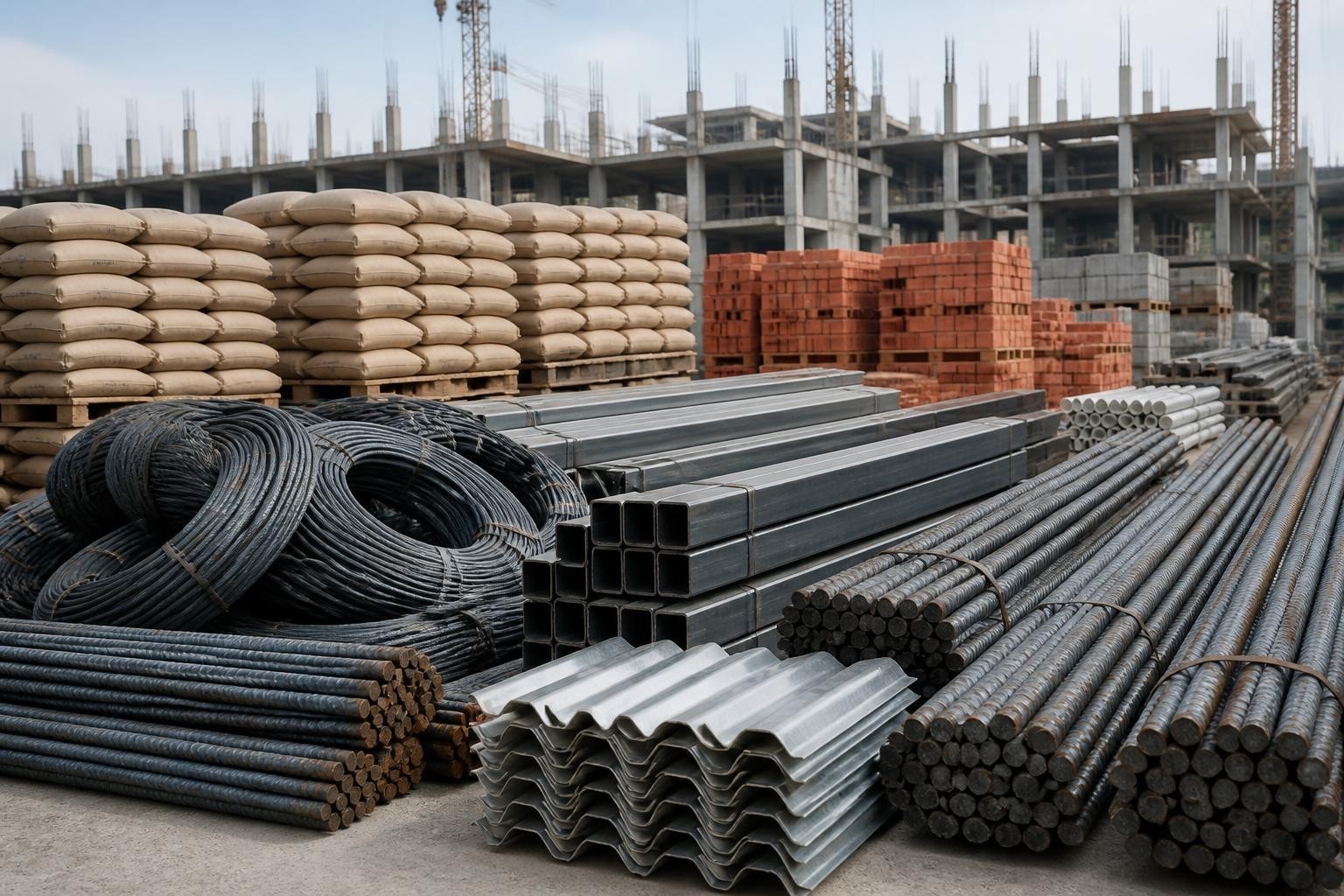
Many suppliers now offer integrated delivery services that streamline logistics coordination. For specialized materials like reinforcing steel fabrication products, working with suppliers who handle both manufacturing and delivery simplifies the supply construction process while often reducing total costs.
Inventory Management and Material Control
Effective inventory practices bridge the gap between procurement and installation, ensuring materials remain secure, organized, and ready for use. Poor inventory management in supply construction leads to material shortages despite adequate ordering, excess waste from damage or loss, and time wasted searching for misplaced items.
On-Site Material Management Systems
Modern supply construction employs systematic approaches to receiving, storing, and tracking materials throughout projects:
Receiving protocols: Inspecting deliveries against purchase orders and specifications
Storage organization: Categorizing and locating materials for easy retrieval
Protection measures: Safeguarding materials from weather, theft, and damage
Usage tracking: Documenting material consumption to compare against estimates
Waste management: Identifying and addressing sources of material loss
Digital inventory systems have transformed material control in recent years. Mobile applications allow site managers to scan deliveries, update quantities in real-time, and generate alerts when reordering becomes necessary. These tools provide unprecedented visibility into material status and consumption patterns.
Balancing Inventory Levels
Supply construction management requires finding the optimal balance between material availability and carrying costs. Excessive on-site inventory ties up capital, consumes storage space, and increases risk of damage or theft. Insufficient inventory causes work stoppages and emergency orders at premium prices.
Effective inventory optimization considers:
Lead times for standard versus rush orders
Storage capacity and security at job sites
Material shelf life and degradation risks
Cash flow implications of early purchasing
Volume discount thresholds from suppliers
The ultimate guide to supply chain management in construction emphasizes how inventory strategies must align with overall project financial management and scheduling priorities.
Technology Integration in Supply Construction
Digital transformation has revolutionized supply construction processes across the industry. In 2026, construction companies leverage sophisticated software platforms that integrate procurement, logistics, inventory, and financial management into unified systems. These technologies provide real-time visibility and enable data-driven decision making that was impossible just a few years ago.
Supply Construction Software Solutions
Specialized platforms address specific supply construction challenges:
Procurement software: Automating purchase orders, approvals, and vendor communications
Inventory management systems: Tracking materials from delivery through installation
Logistics platforms: Optimizing delivery scheduling and route planning
Analytics tools: Identifying cost-saving opportunities and efficiency improvements
Mobile applications: Enabling field teams to access and update information in real-time
Integration between these systems and broader project management platforms creates seamless information flow. When procurement data automatically updates project schedules and budgets, teams gain accurate, current information that supports better decision making.
Data Analytics for Supply Chain Optimization
Advanced analytics transform raw supply construction data into actionable insights. By analyzing historical procurement patterns, companies identify opportunities to negotiate better pricing, consolidate orders, and select more reliable suppliers. Predictive analytics help anticipate material needs based on project progress, reducing both shortages and excess inventory.
Key performance indicators for supply construction include:
Metric | Target Range | Impact |
On-time delivery rate | 95-98% | Schedule reliability |
Material cost variance | ±5% | Budget control |
Inventory turnover | 4-6 times/year | Capital efficiency |
Order accuracy | 98-100% | Quality assurance |
Emergency order frequency | <5% of total | Planning effectiveness |
Quality Assurance in Supply Construction
Material quality directly impacts project outcomes, making quality assurance an essential component of supply construction management. Defective materials cause rework, delays, and potential safety issues that far exceed any savings from purchasing lower-quality products. Comprehensive quality programs verify that delivered materials meet specifications and perform as expected.
Inspection and Testing Protocols
Systematic quality verification begins when materials arrive at job sites and continues through installation. Effective quality assurance in supply construction includes:
Visual inspection: Checking for obvious damage, defects, or discrepancies
Documentation review: Verifying certificates, test reports, and compliance documentation
Sample testing: Conducting field or laboratory tests on representative samples
Specification verification: Confirming materials match project requirements
Rejection procedures: Establishing clear processes for handling non-conforming materials
For critical structural components like reinforcing steel, rigorous quality verification is non-negotiable. Mill certifications, strength testing, and dimensional verification ensure these materials will perform safely under design loads.
Supplier Quality Management
Preventing quality issues before materials ship proves more efficient than catching defects at delivery. Leading supply construction strategies emphasize upstream quality management through supplier qualification, audits, and performance monitoring. Working with suppliers who maintain robust quality systems reduces inspection burden and defect rates.
Quality-focused supplier relationships include regular communication about specifications, feedback on material performance, and collaborative problem-solving when issues arise. Materials from suppliers like FT Building and Construction Suppliers benefit from established quality protocols that ensure consistency across orders.
Cost Management and Budget Control
Supply construction represents a major portion of total project costs, making effective cost management essential for maintaining profitability. In 2026's volatile material markets, construction companies need sophisticated strategies for controlling expenses while maintaining quality and schedule integrity. Successful cost management balances multiple factors including purchase price, delivery costs, quality, and timing.
Price Monitoring and Market Intelligence
Material prices fluctuate based on global commodity markets, regional supply and demand, and seasonal factors. Smart supply construction managers monitor these trends and time purchases to capture favorable pricing when possible. Establishing relationships with multiple suppliers provides competitive pricing information and negotiating leverage.
Effective price management strategies include:
Tracking price indices for key material categories
Negotiating volume discounts and blanket purchase agreements
Considering alternative materials when primary options become expensive
Building escalation clauses into contracts for long-term projects
Purchasing ahead of anticipated price increases when storage permits
The centralized approach to supply chain management enables companies to leverage purchasing power across multiple projects, securing better pricing than project-by-project procurement.
Value Engineering in Material Selection
Supply construction optimization often involves value engineering to identify cost-effective alternatives without compromising performance. This process examines whether specified materials represent the most economical option for achieving project requirements. Sometimes premium materials reduce total installed costs through easier handling, faster installation, or longer service life.
Value engineering considerations include:
Initial purchase price versus installed cost
Durability and maintenance requirements
Labor efficiency during installation
Availability and lead times
Compatibility with other project systems
For example, selecting Zinc Coated Galvanized Steel Sheet in Coils for corrosion resistance can reduce long-term maintenance costs despite higher initial investment, making it a value-driven choice for certain applications.
Risk Management in Supply Construction
Construction supply chains face numerous risks that can disrupt projects and inflate costs. Effective supply construction management identifies potential risks and implements mitigation strategies before problems occur. In 2026, supply chain resilience has become a competitive advantage as companies that weather disruptions maintain schedule and budget commitments.
Common Supply Chain Risks
Construction projects face various supply-related threats:
Supplier failures: Financial problems or capacity constraints preventing deliveries
Quality defects: Non-conforming materials requiring replacement and rework
Transportation disruptions: Weather, accidents, or infrastructure failures delaying deliveries
Price volatility: Unexpected cost increases exceeding budget allowances
Material shortages: Market-wide scarcity limiting availability regardless of price
Understanding these risks allows supply construction managers to develop appropriate contingency plans. The role of collaboration in supply chain management emphasizes how transparent communication with suppliers and subcontractors helps identify emerging risks before they impact projects.
Building Supply Chain Resilience
Resilient supply construction systems withstand disruptions and recover quickly when problems occur:
Diversification: Maintaining relationships with multiple qualified suppliers
Buffer inventory: Stocking critical materials with long lead times or limited availability
Flexible specifications: Allowing approved substitutes when primary materials become unavailable
Early procurement: Ordering long-lead items well ahead of installation dates
Contingency budgets: Allocating reserves for unexpected material cost increases
Companies with mature supply construction practices typically experience fewer project disruptions and cost overruns. They build redundancy into critical supply chains while maintaining efficiency in routine procurement.
Sustainability in Supply Construction
Environmental responsibility has become integral to supply construction management in 2026. Construction companies face increasing pressure from clients, regulators, and communities to reduce environmental impacts throughout the material lifecycle. Sustainable supply construction considers material sourcing, transportation emissions, waste reduction, and end-of-life disposal in procurement decisions.
Sustainable Material Sourcing
Environmental criteria now influence supplier selection alongside traditional factors like price, quality, and reliability. Sustainable supply construction prioritizes:
Materials from recycled or renewable sources
Products manufactured using low-emission processes
Suppliers with documented environmental management systems
Locally sourced materials reducing transportation impacts
Durable materials minimizing replacement frequency
Many construction specifications now include environmental performance requirements, making sustainable sourcing a necessity rather than an option. Products like insulation and roofing materials increasingly feature recycled content and improved thermal performance that reduces building operating energy.
Waste Reduction Strategies
Material waste represents both environmental and financial costs in construction projects. Effective supply construction minimizes waste through accurate quantity estimation, careful handling, and systematic recycling programs. Digital tools that precisely calculate material requirements help eliminate over-ordering that leads to excess materials.
Waste reduction tactics include:
Prefabrication and modular construction reducing on-site cutting waste
Returnable packaging systems eliminating disposal costs
Material reuse programs finding applications for project surplus
Recycling programs for metals, wood, cardboard, and other materials
Supplier take-back programs for unused materials
Progressive supply construction strategies view waste reduction as an opportunity for cost savings rather than simply an environmental obligation. Projects that minimize waste typically achieve better budget performance while meeting sustainability goals.
Collaboration and Communication
Supply construction success depends on effective collaboration among project stakeholders including owners, designers, contractors, suppliers, and subcontractors. Breaking down information silos and establishing clear communication channels prevents misunderstandings that lead to procurement errors, delivery problems, and installation delays.
Stakeholder Coordination
Different project participants need different information at different times. Effective supply construction management ensures each stakeholder receives relevant, timely information to support their role:
Owners: Cost data, schedule impacts, quality assurance results
Designers: Product specifications, availability information, substitution requests
General contractors: Delivery schedules, inventory status, cost tracking
Subcontractors: Material availability, installation specifications, special handling requirements
Suppliers: Order details, delivery requirements, payment status
Cloud-based platforms enable real-time information sharing that keeps everyone aligned. When suppliers, contractors, and subcontractors access current project data, coordination improves and errors decrease.
Early Supplier Involvement
Engaging suppliers during design and planning phases improves supply construction outcomes. Suppliers provide valuable input on material availability, cost trends, alternative products, and constructability considerations. This early involvement prevents specifications that prove difficult or expensive to fulfill during construction.
Benefits of early supplier engagement include:
Benefit | Description |
Improved specifications | Products selected based on actual market conditions |
Cost accuracy | Budgets reflect current pricing and availability |
Lead time planning | Schedules account for realistic procurement timelines |
Value engineering | Alternative materials identified before documents finalize |
Risk reduction | Potential supply issues addressed proactively |
For specialized products available through resources like FT Building and Construction Suppliers, early consultation ensures project teams understand options, lead times, and technical requirements before finalizing designs.
Mastering supply construction requires balancing multiple competing priorities including cost, quality, schedule, and risk while maintaining strong supplier relationships and leveraging technology for visibility and control. The strategies outlined above provide a comprehensive framework for optimizing material procurement and management in today's complex construction environment. Whether you're managing residential projects or large commercial developments, FT Building and Construction Suppliers offers the comprehensive product selection, reliable delivery, and expert support you need to execute your supply construction strategy successfully and keep your projects moving forward.

Comments